SeasonLast day of digging
BlocksFlipped and plastered
Next stopThe lab
Every expedition saves its hardest work for the last day. Day 9, the final day of digging, kept the tradition.
At the first site, the morning went to the last of the plaster. The blocks going to the lab got their final coats. The blocks staying behind got a consolation prize: each one was photographed from every side for a 3D model. They will be studied from a distance, like celebrities.
Then came the heavy part. The biggest jackets had to be turned over so their undersides could be plastered too. Flipping a plaster wrapped block of rock that size is not a job for 1 person, or for 2. It takes a small crowd, a good count of 3, and a willingness to get plaster in places plaster should not go.
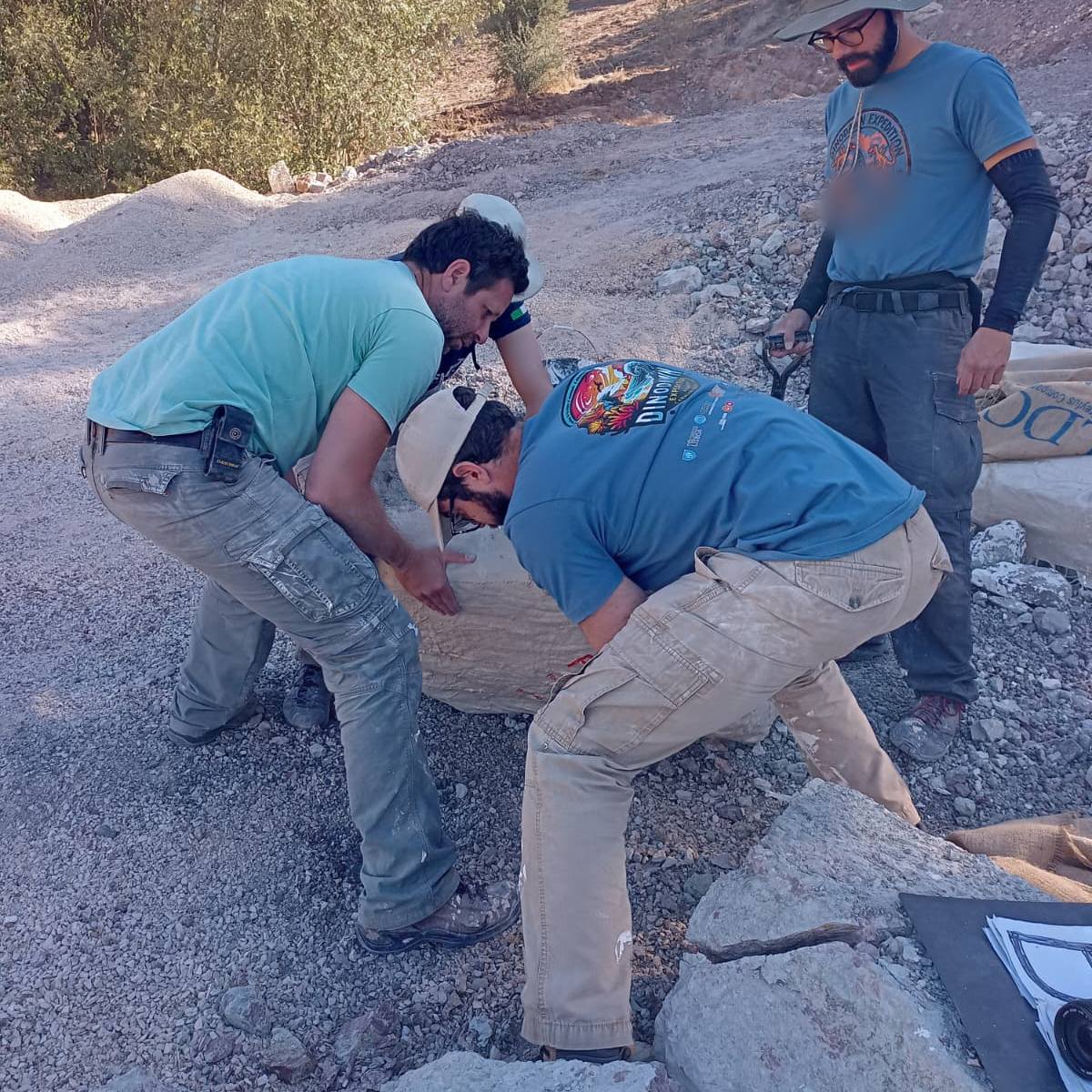
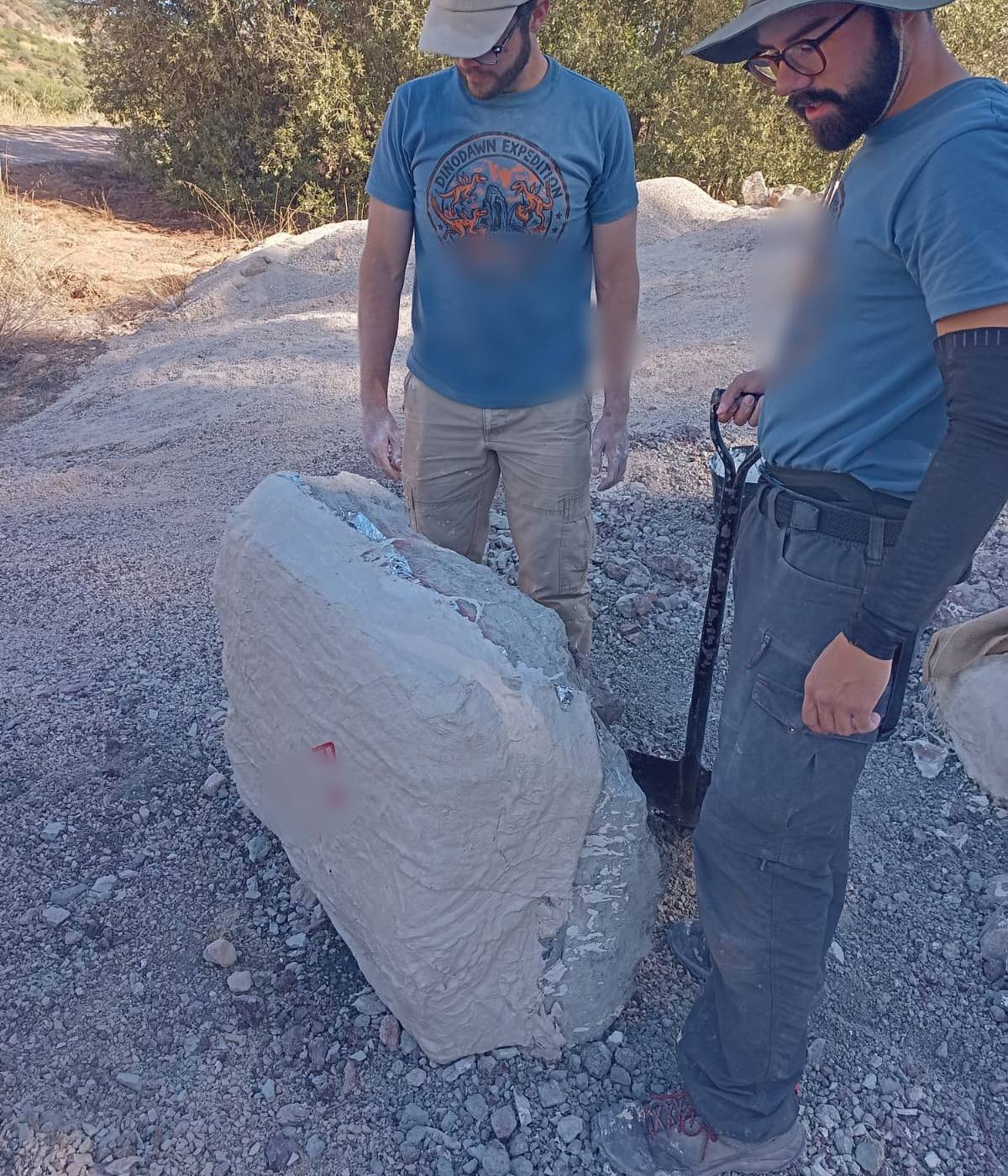
By late afternoon every block had a plastered bottom, a sentence nobody on the team expected to write, and the blocks were ready for the truck.
At the second site, the team freed the last plastered blocks, finished wrapping them, and then faced the oldest question on any dig on a steep hill: how do you get the rock down? The answer was a rope line strung down the slope. The blocks rode it to the van like very slow, very heavy passengers, on the only ride in the hills with a 230 million year waiting list.
The tools followed. Then the team tucked the site in for the winter, covered and protected, so it will be ready when they come back next year. The rock has waited this long. It can wait one more winter.
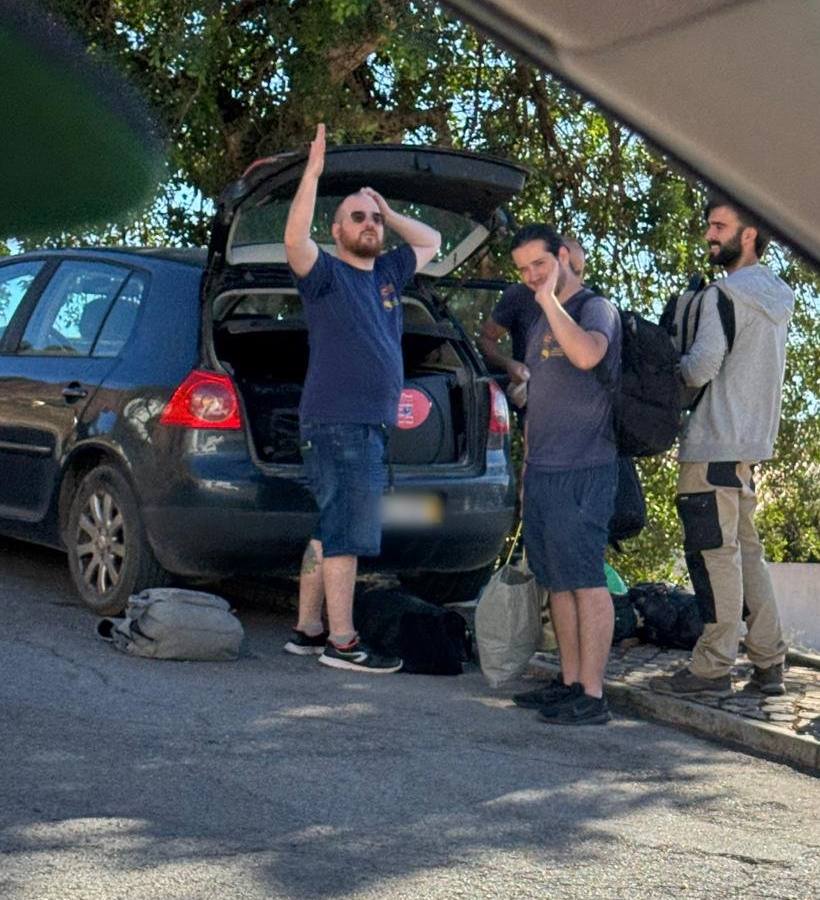
Meanwhile, the first goodbyes had begun. Filippo Bertozzo, Leonardo Bonelli and João Neves packed the car and set off for the Sociedade de História Natural, where the blocks will be prepared.
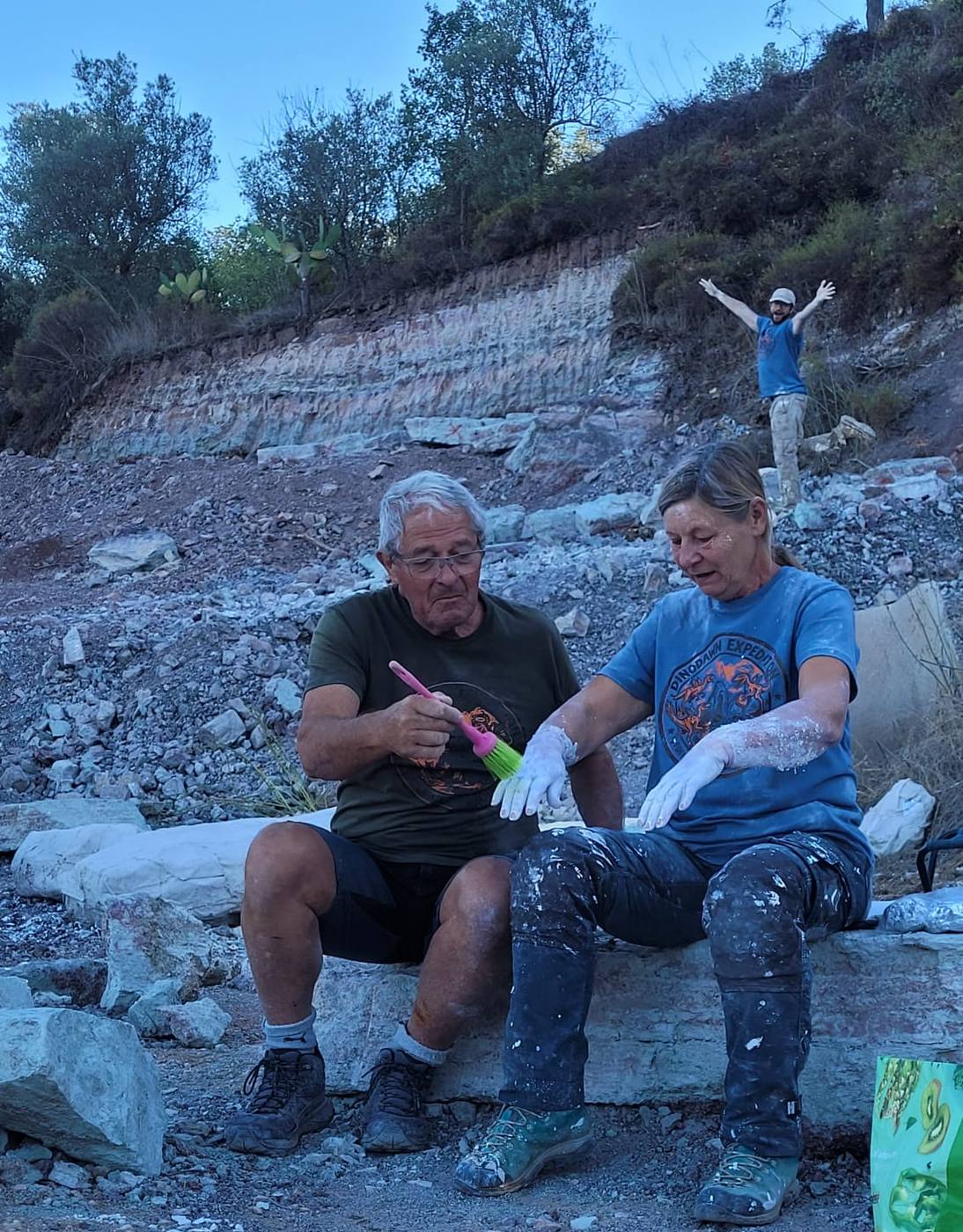
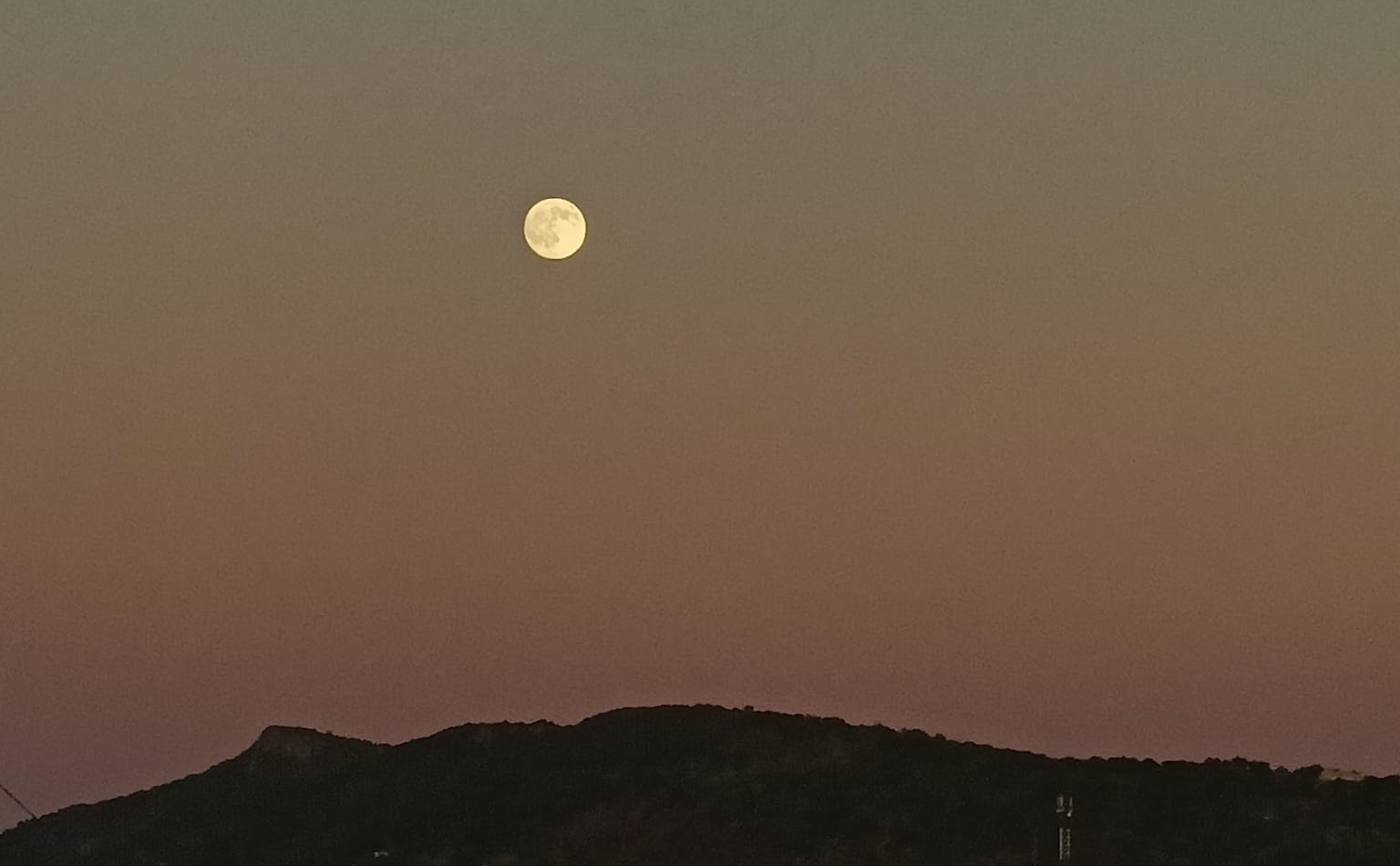
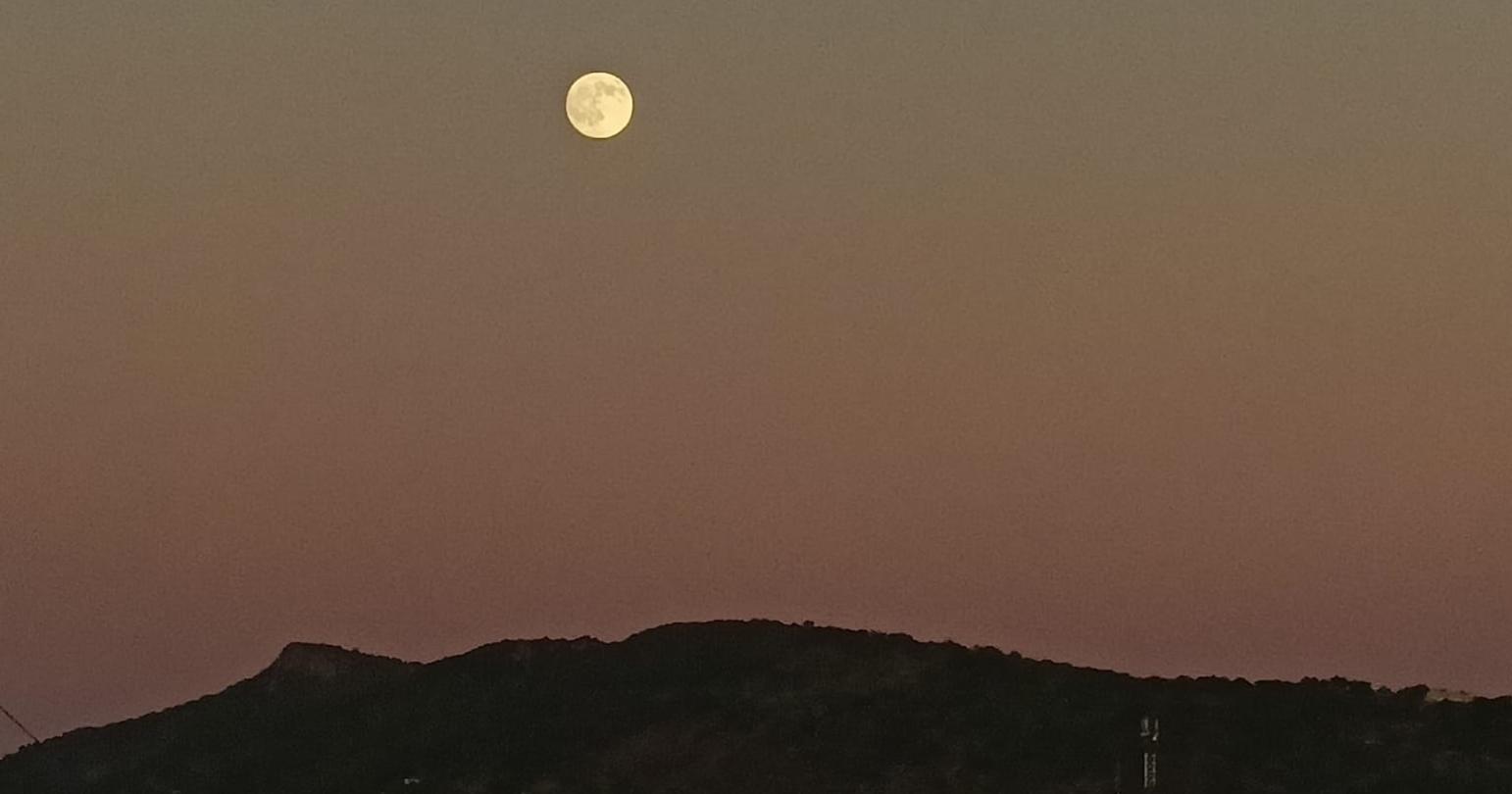
That night a nearly full moon rose over the hills. Below it, 2 quarries sat quiet for the first time in 9 days. Somewhere inside those jackets is a find the team is not ready to name. The hills have done their part. Now the lab gets to talk.