ConditionsHeavy rain in the afternoon
Quarry length, first siteOver 10 m
New sites with potential3
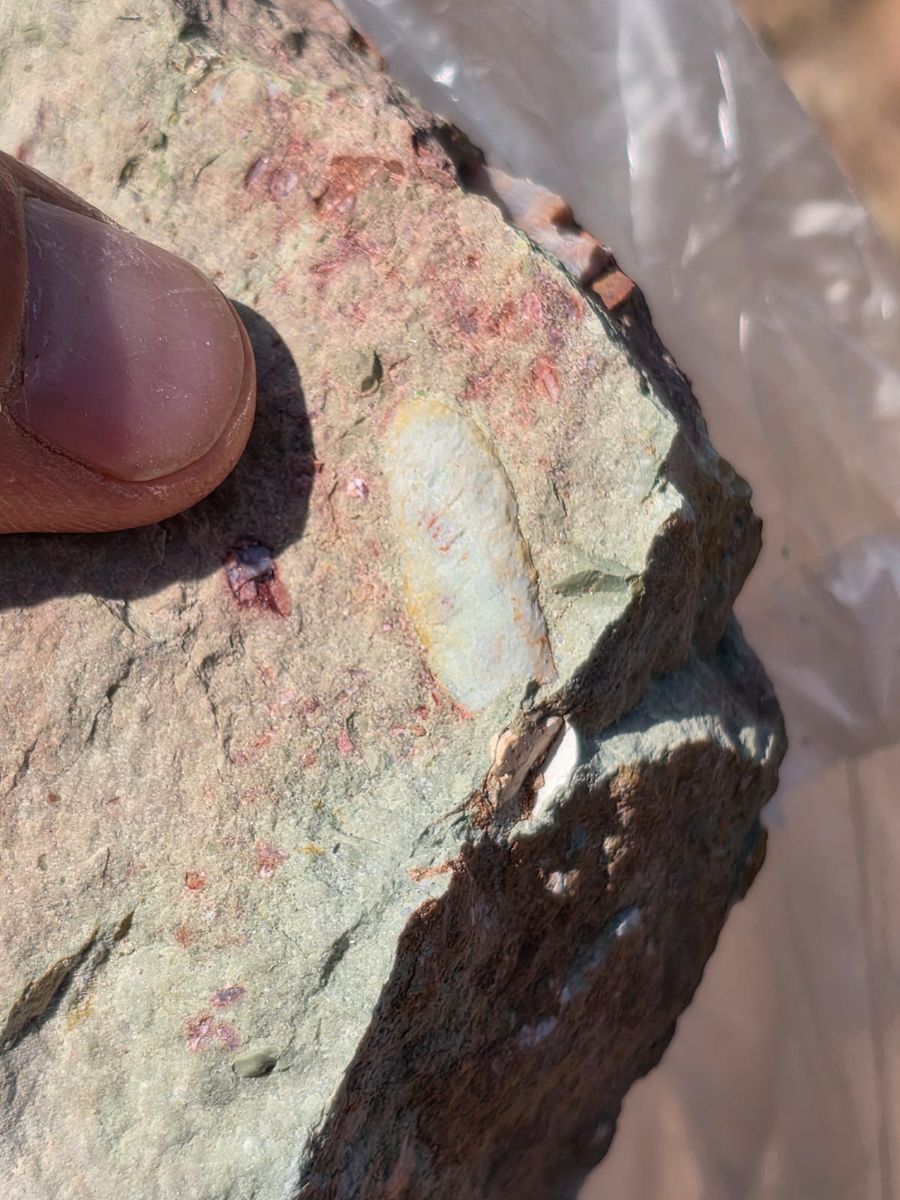
On day 2, with hail coming down, the team at the second site predicted they would be in the fossil layer by the next evening. The prediction held. On day 3 they reached the layer, and it gave up its first long bone.
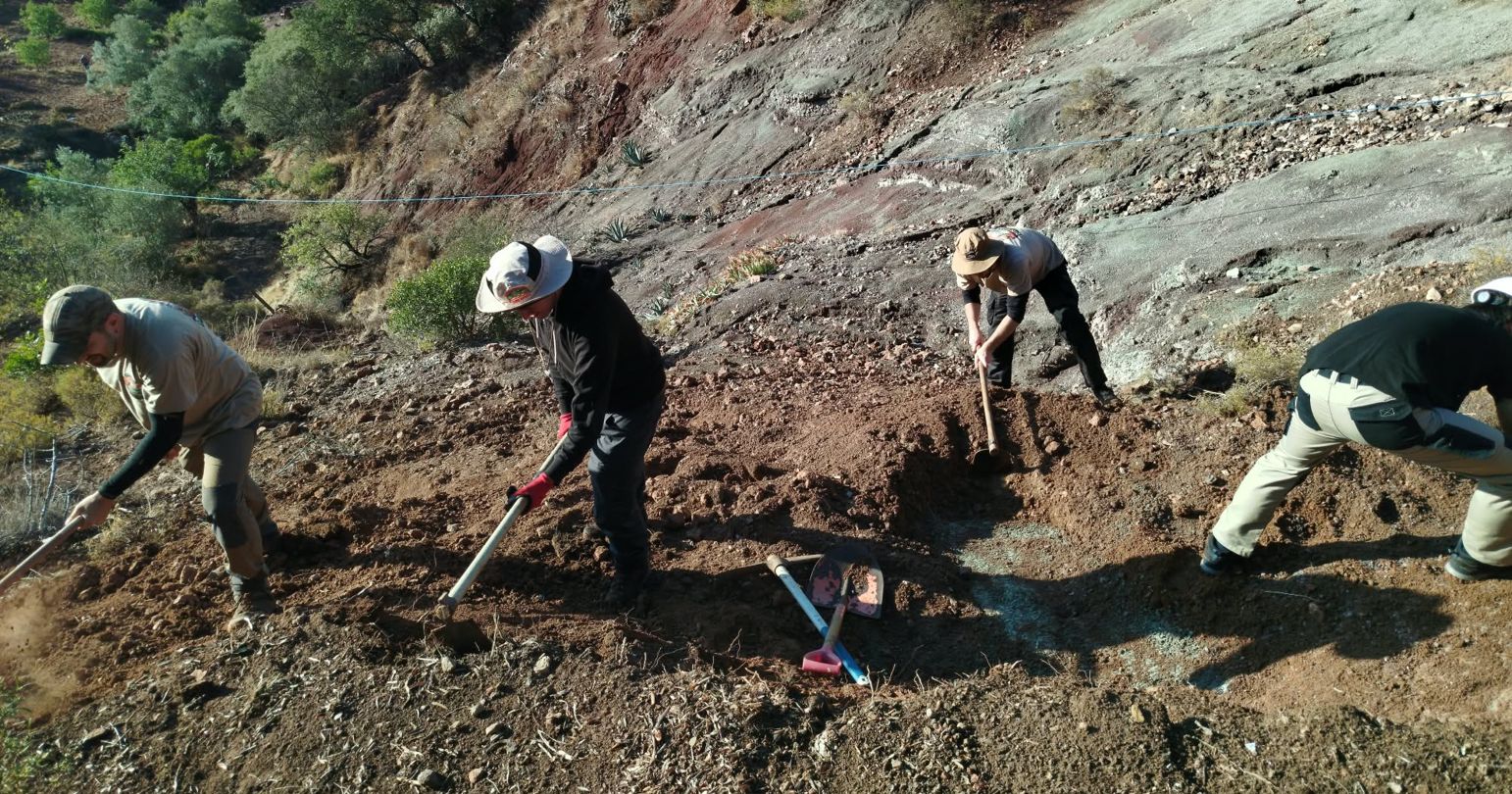
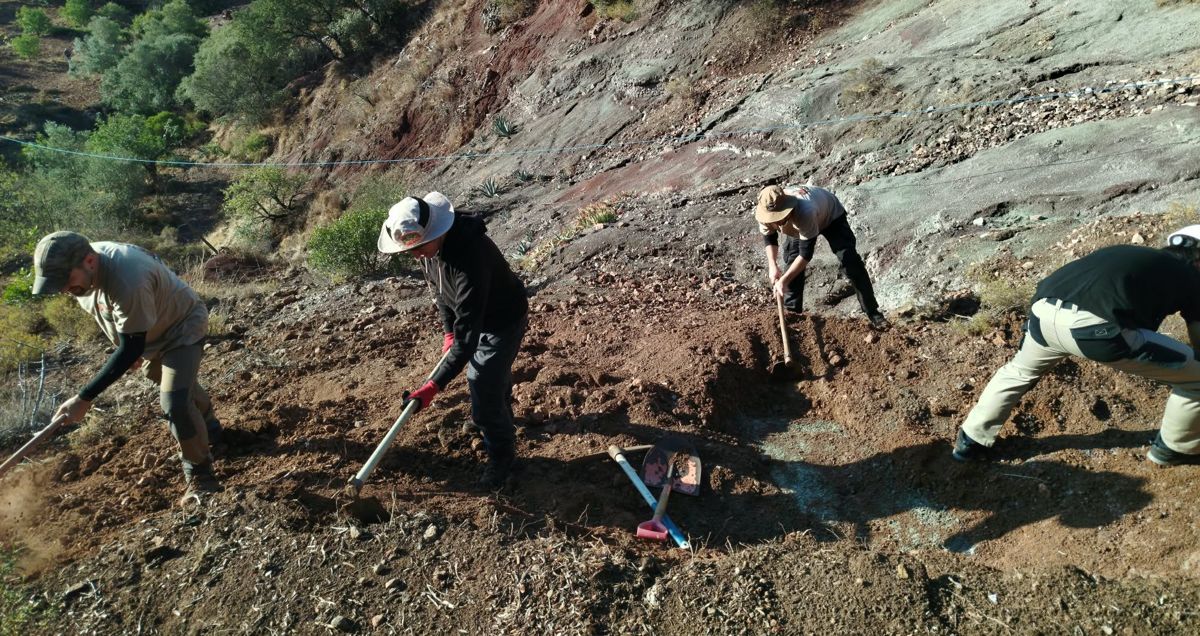
5 people spent the morning with hoes, stripping away the thick young soil that buries the Late Triassic rock. Under it, the first thing waiting was a long bone. It is large compared with anything this site has given up so far. Whose it was, no one can yet say.
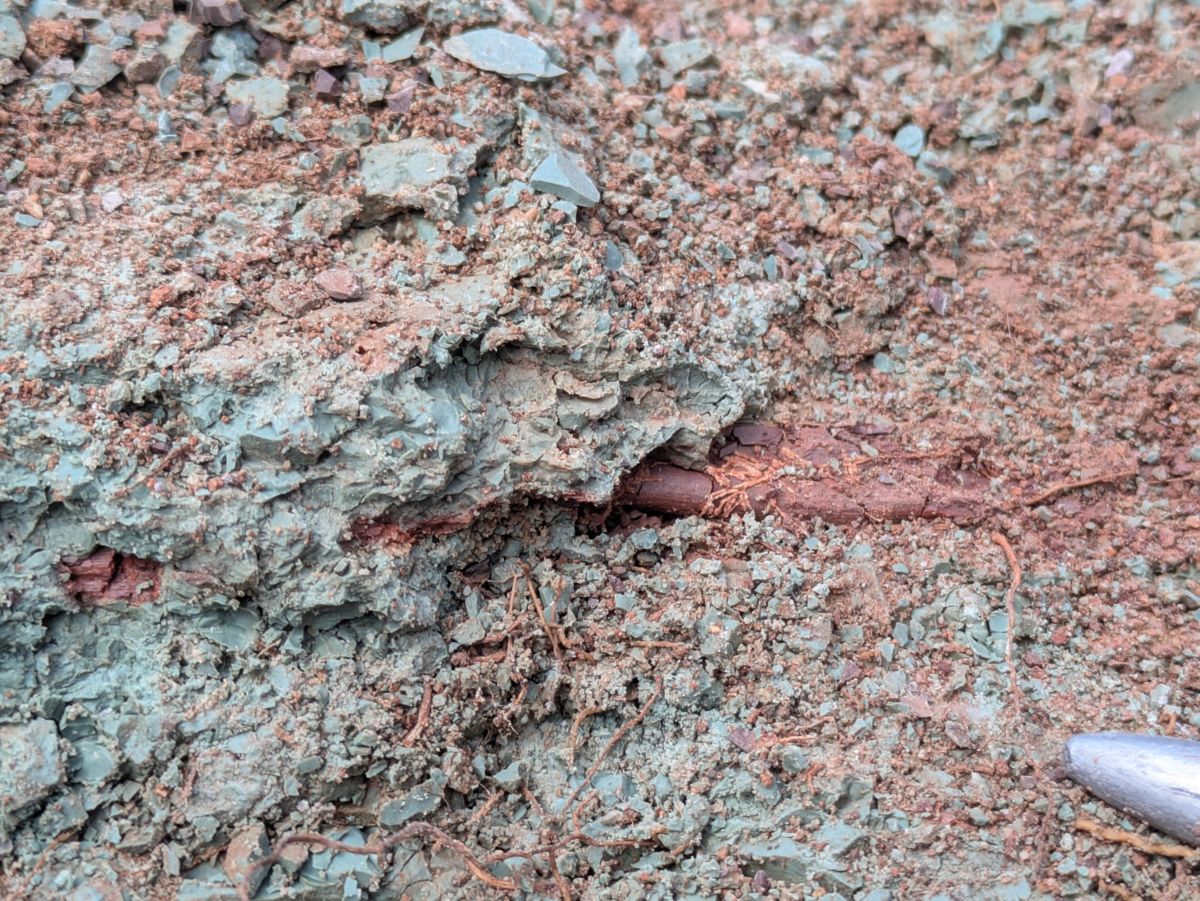
We found a long bone right in the layer we came for. Tomorrow we start finding out whose it is.
Leonardo Bonelli, field team
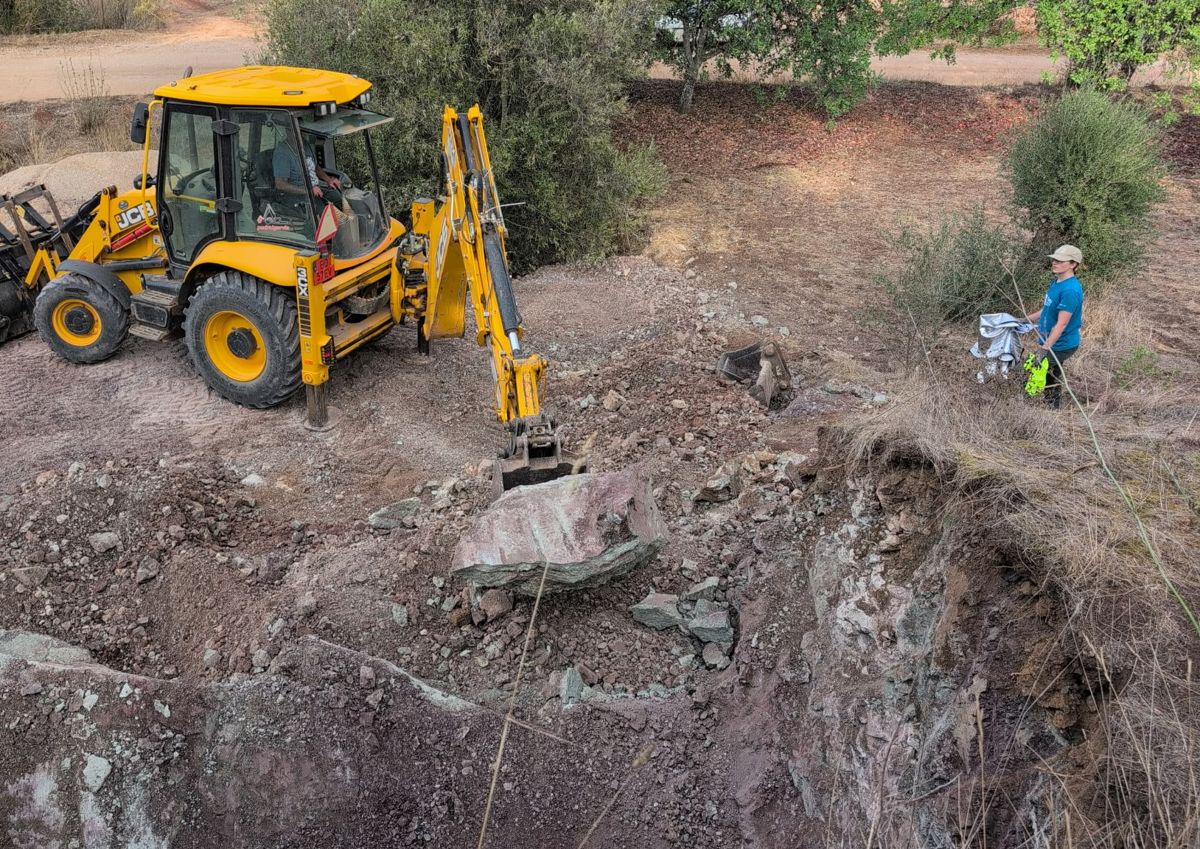
At the first site, the excavator is now lifting very large blocks, because the bigger the block, the better the odds of a more complete specimen inside. Until now, the layer has offered mostly osteoderms, the bony plates some animals carried in their skin. Today, says Ricardo Araújo, it began to offer something else: bones from parts of the body the team had not seen here before.
The bonebed is patchy. One side of the quarry is richer than the other, so the team has followed the bones there and pushed the quarry past 10 meters. The excavator was meant to work 3 days. With the finds picking up, the local municipality has kept it on.
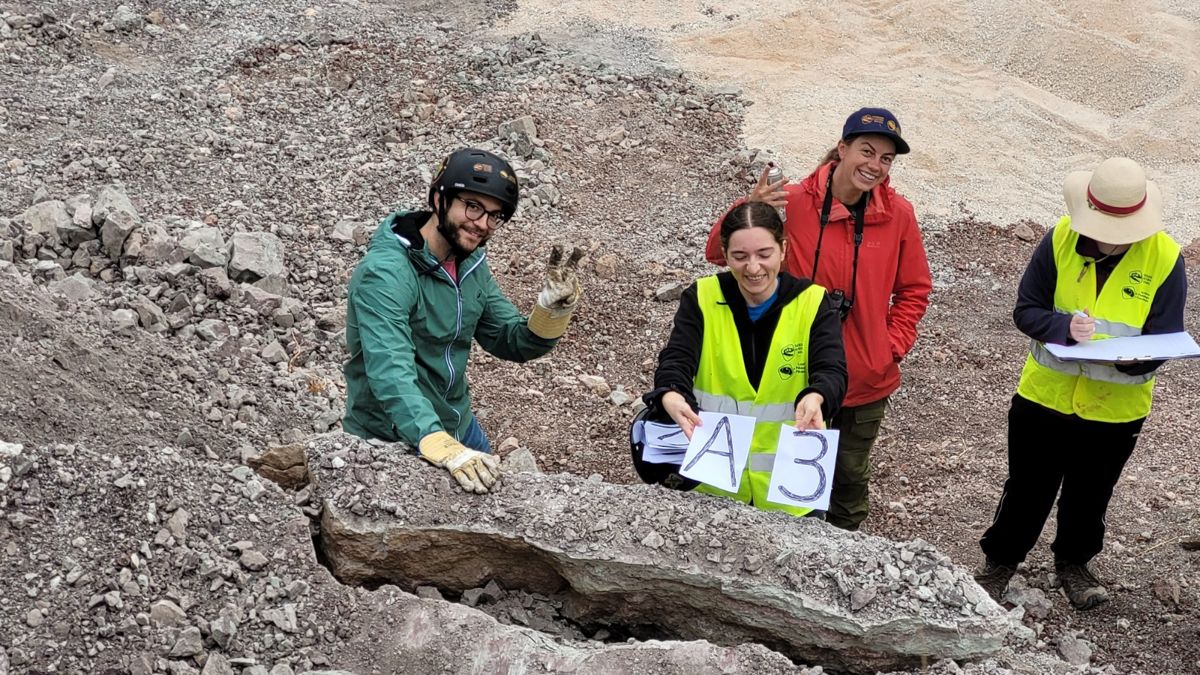
Just below the dig sits a small old tank where people once washed and drew drinking water, and the locals have legends about it. Above it, the hill is giving up stories far older. The landowner and his son, a former student at Técnico in Lisbon, come by to watch.
Miguel Marx and Maciej Ruciński spent the day reading the hills around the dig, one layer at a time. They mapped the outcrops and fixed where the dig sits in the region’s stack of rock. The team now has a detailed record of the site, and the pair came back with places worth digging in a future season.
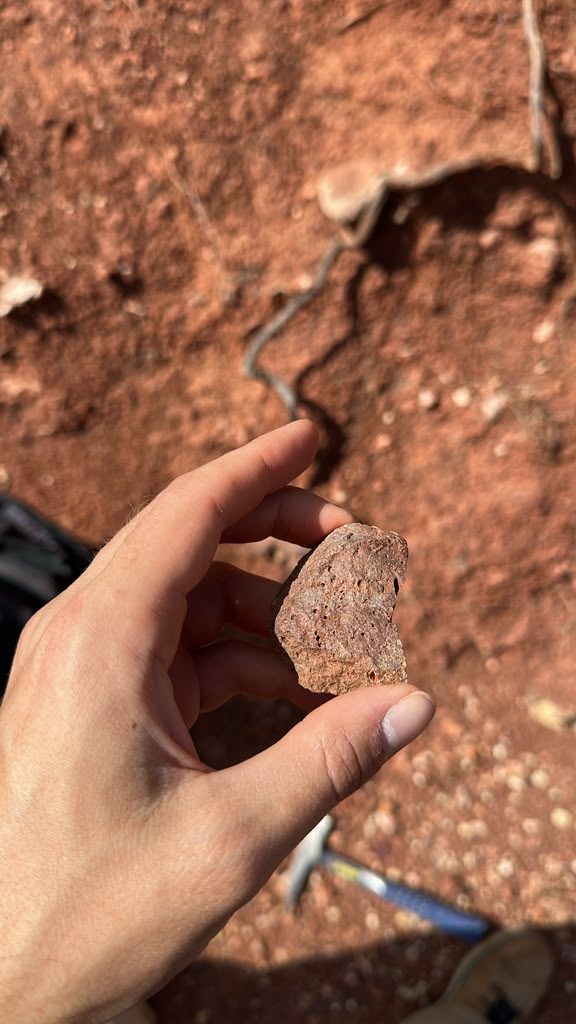
Bruno Camilo and Kirill Trifonov had the job every paleontologist wants: walking the hills to see what nobody has found yet. About a kilometer from a nearby town, they found 3 new sites with promise, with thick bones, fish scales and osteoderms in the rock. At one, a big block holds a big bone.
In the afternoon they drove around the back of a ridge above the second site, onto ground no one had surveyed. Past an old volcanic complex, they saw it: a large outcrop whose layers look much like the beds that hold Metoposaurus algarvensis, the giant amphibian named from an Algarve bonebed in 2015. Then the rain came down hard. They could see the outcrop. They could not reach it.
Tomorrow the second site digs in around the bone. And 2 members of the team go back for the outcrop the rain kept from them.