Algarve, Portugal · 2024 to 2026
The DinoDawn Expedition
DinoDawn is a multi-year expedition in search of the animals that lived in the Algarve about 230 million years ago, when dinosaurs were new and the forerunners of mammals were becoming warm-blooded.
From First Survey to the Hills of Loulé
2024
Prospecting
The team surveys the red sandstone of the Algarve interior and chooses where to work.
2025
Excavation
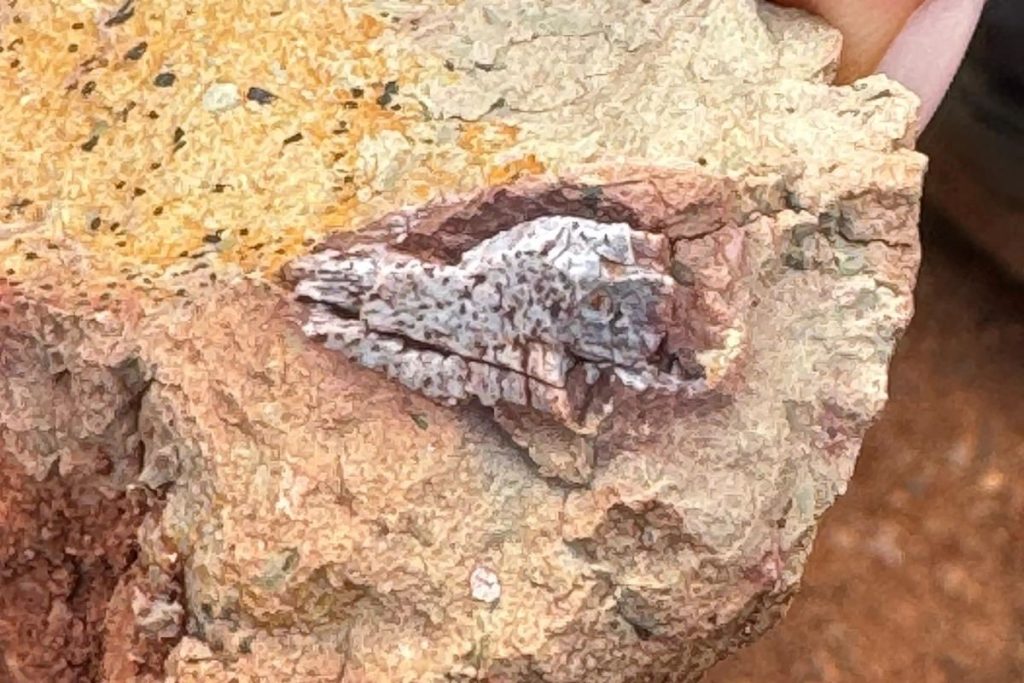
The team cuts more than 20 blocks of bone-bearing rock from an Algarve bonebed and carries them out in plaster jackets. The sieves add more than 100 small fossils.
2026
Return
On October 17 the expedition returns to the hills of Loulé, this time with hand tools and sieves only. An excavator cleared rock once, in 2025.
Scientists and Explorers
DinoDawn brings together 2 teams. The scientists lead the research, deciding where to dig and how to read the rock. The PaleoDiscovery Team leads field operations, planning the season and running logistics so the scientists can spend every possible hour on the fossils, and its explorers work the dig beside them.
Red Hills, Old Stone
The field sites sit in a band of red sandstone in the Algarve interior, about 230 million years old. The hills are part of a UNESCO Global Geopark. Fossils left exposed on the slopes erode, and collecting them saves them.
Carried in the field
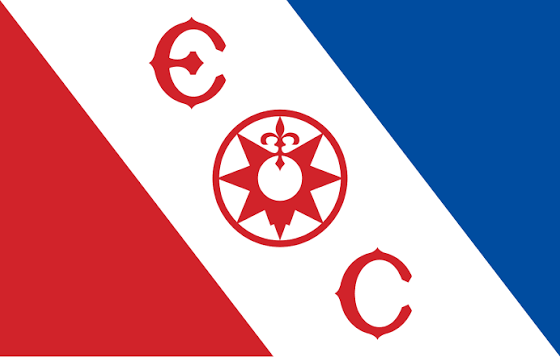
Flag 64
The expedition carries Flag 64 of The Explorers Club. Only 222 of these flags exist. Since 1918 they have been carried to both poles, under the sea and aboard Apollo 11 to the Moon. Roy Chapman Andrews carried one, and his Gobi expeditions found the first dinosaur eggs known to science, in 1923. Flag 64 has been in the field since 1935.
Frequently Asked Questions
When is the 2026 field season?
From October 17 to October 26, 2026.
Is this a dinosaur dig?
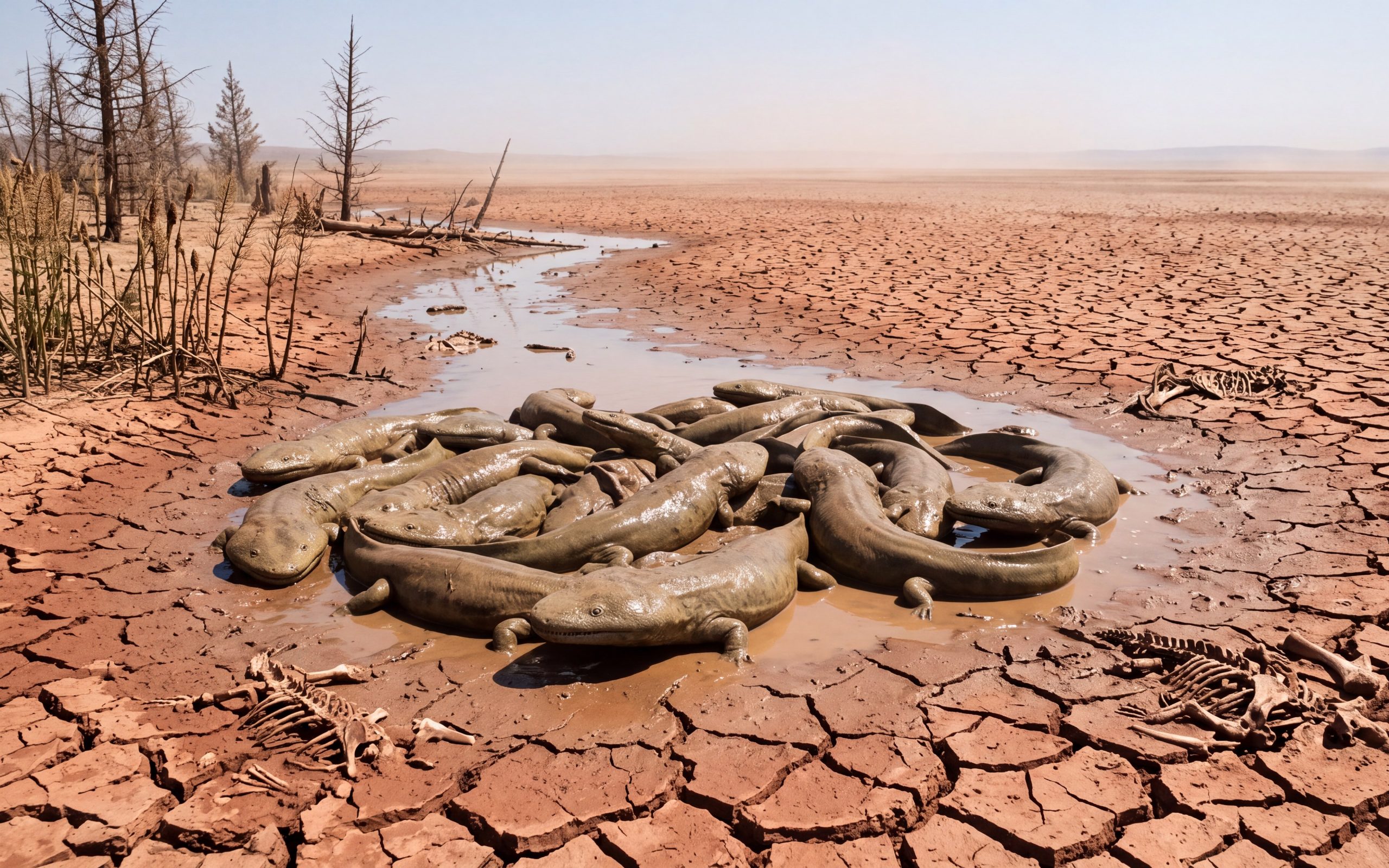
The team is searching for them. These rocks are about 230 million years old, from the Late Triassic, when the first dinosaurs appeared and the ancestors of mammals were evolving. In 2025 the sieves found the first clues of early mammal relatives.
Where exactly is the dig?
In the hills of Loulé, in the Algarve interior.
Can I visit the dig?
The dig is not open to visitors, to protect the fossils and keep the work safe. You can follow the season on Instagram and on the Field Photos page.
Where do the fossils go?
To the Sociedade de História Natural in Torres Vedras, where they are prepared, studied and kept for science.
How is my gift used?
Gifts pay for field supplies and for preparing the fossils in the laboratory. You can give on the Support page.
How can I get in touch?
Write to info@dinodawn.org.