For young explorers
DinoDawn Kids
Meet the animals that lived in Portugal when dinosaurs were new, and see how a fossil dig works.
Animals of the Triassic Algarve
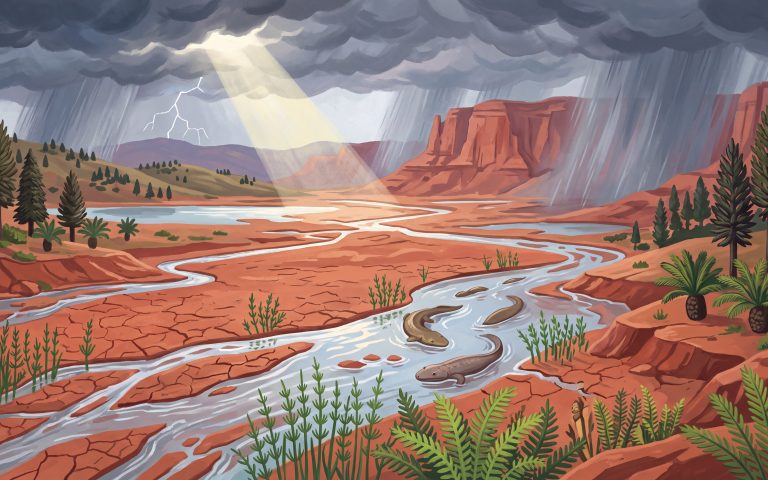
The Super Salamander
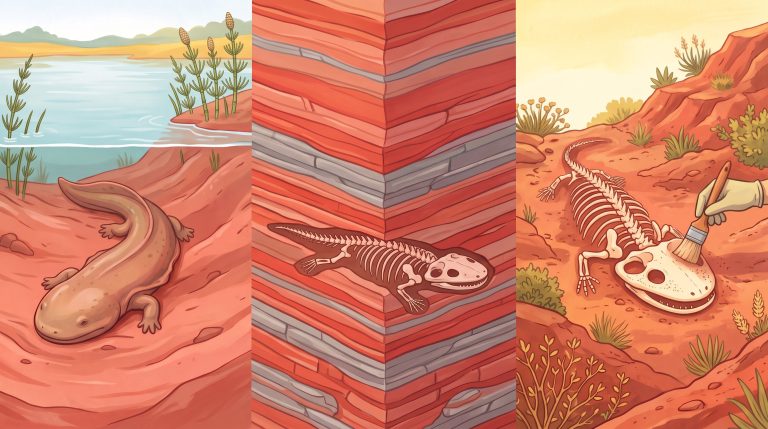
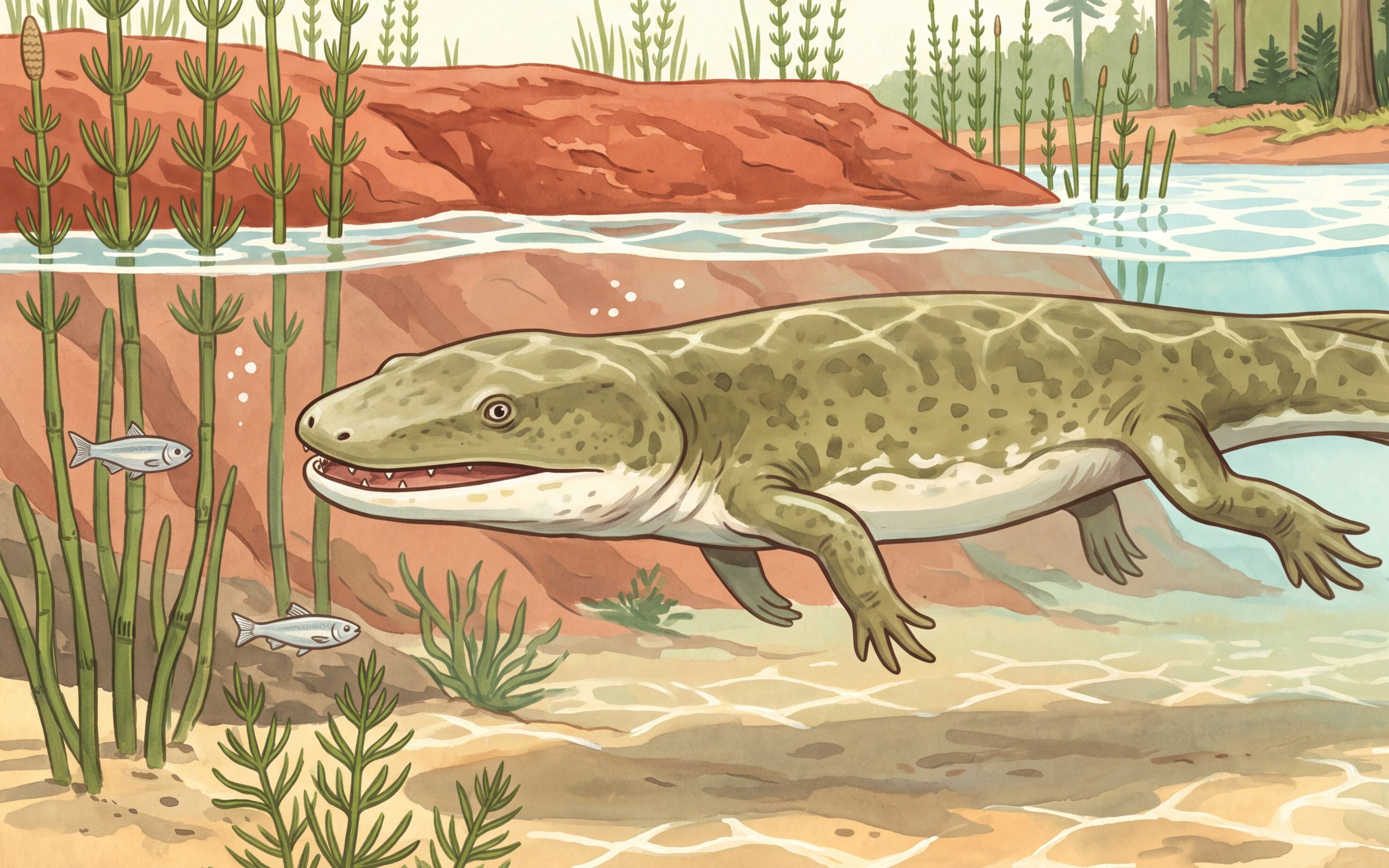
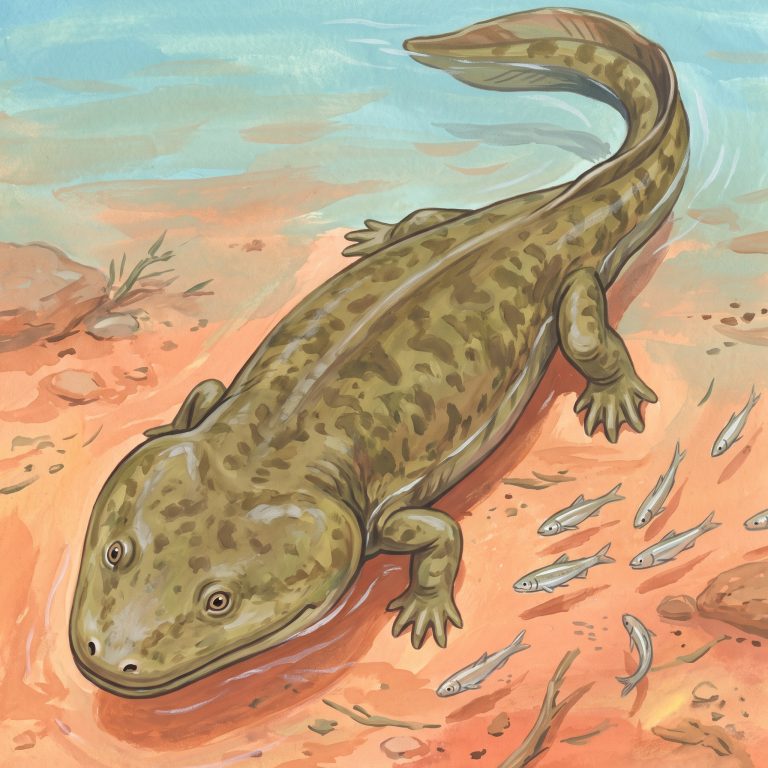
Metoposaurus was an amphibian as long as a tall grown-up, and its flat head was shaped like a toilet seat.
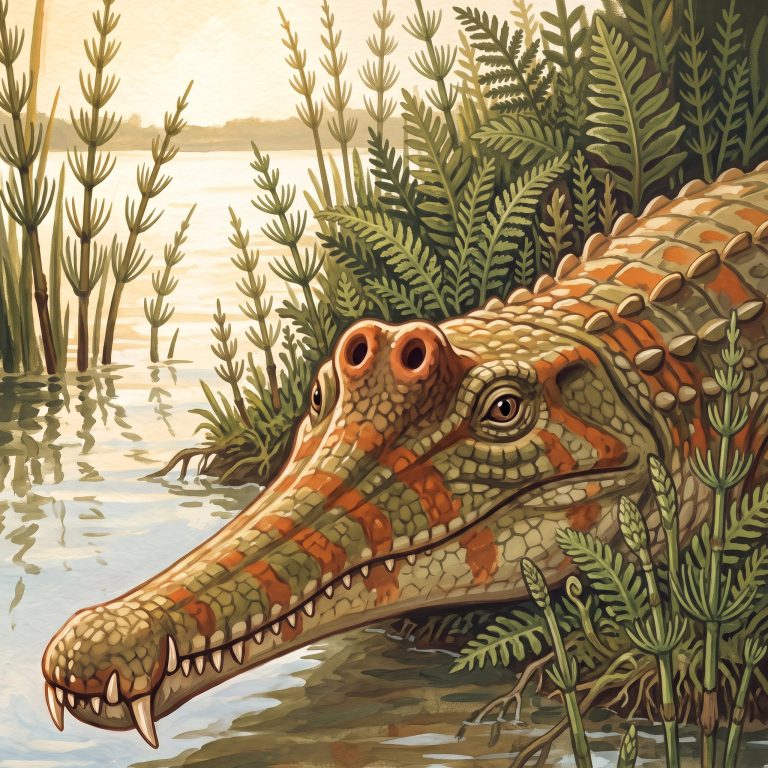
The Crocodile that Wasn’t
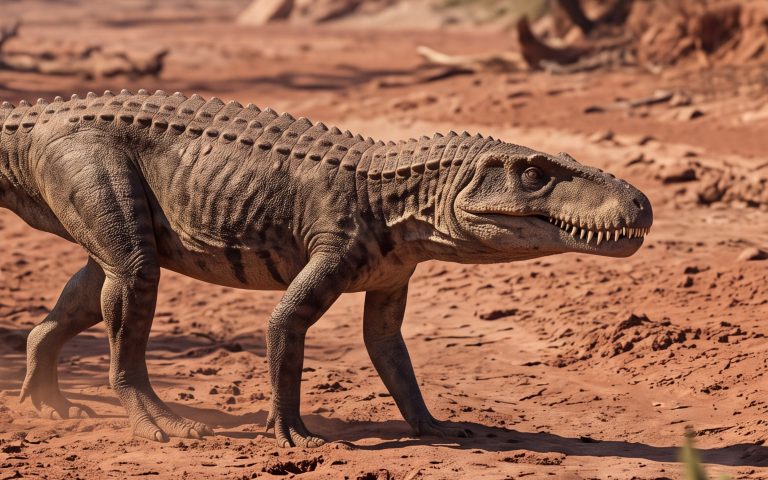
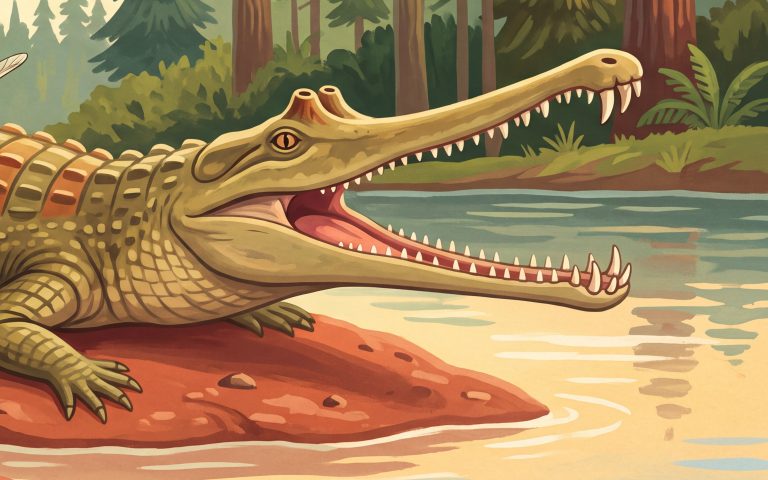
Phytosaurs looked and lived like crocodiles, but their nostrils sat up near their eyes.
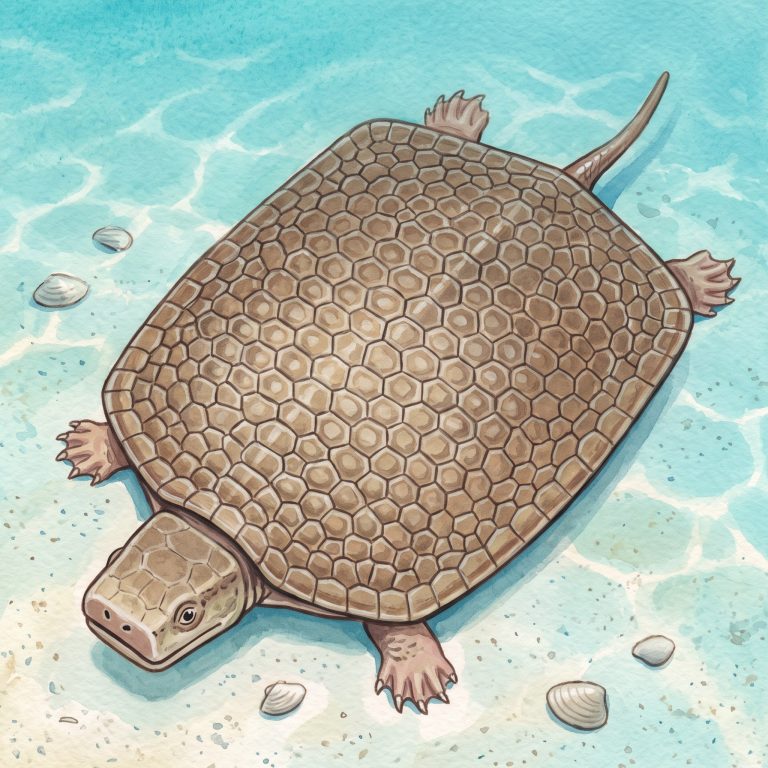
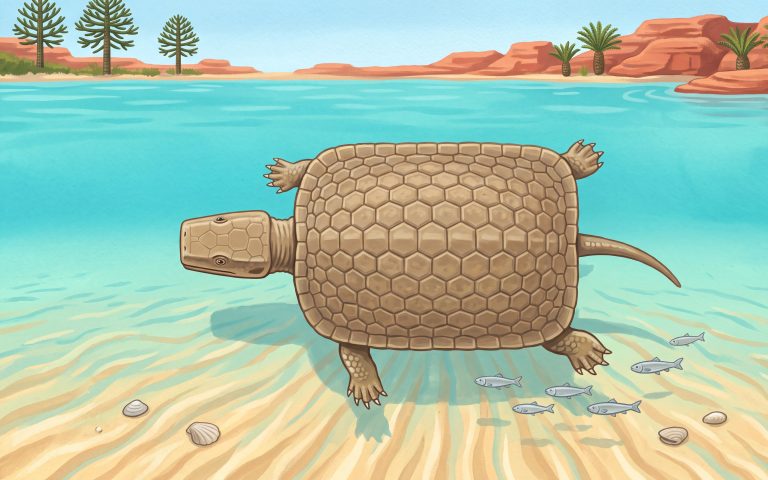
The Reptile in a Shell
Placodonts lived in shallow water and wore armor like a turtle’s, yet they were not turtles.
The First Clues
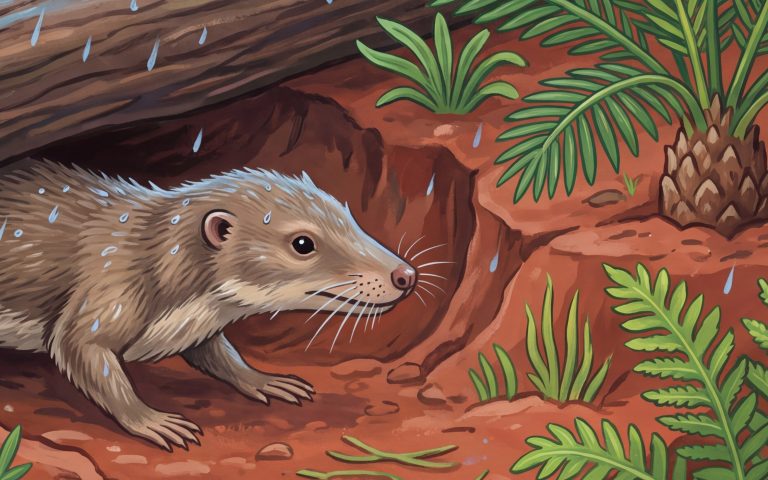
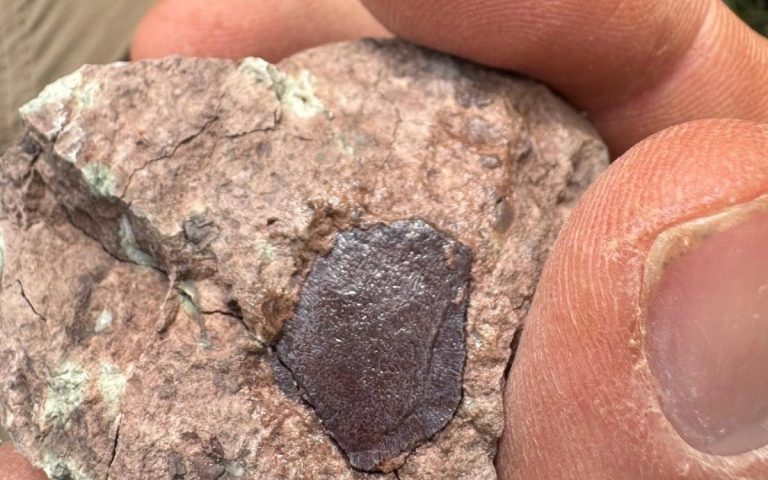
In 2025 the team found the first clues that early relatives of mammals lived here. Mammals are the animal family that includes you.

Fossils the Size of a Rice Grain
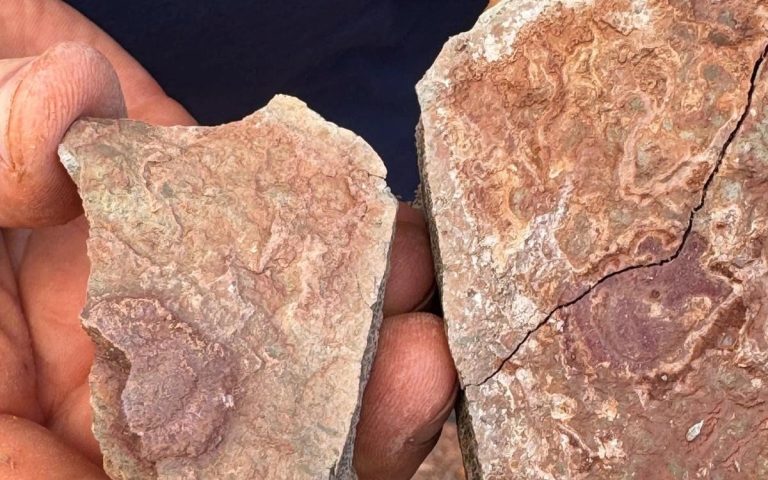
Many of the fossils are tiny. The team finds them by washing sand through sieves and searching it under a microscope.
How a Fossil Dig Works
Plan Ahead
Scientists get permits, study maps and old fossil records, and check that wildlife and habitats stay protected.
Test the Ground
Small test trenches show how hard the rock is and where fossils may lie. Samples go to the laboratory.
Map the Site
The site is laid out in a labeled grid, so every fossil has its own address.
Free the Fossils
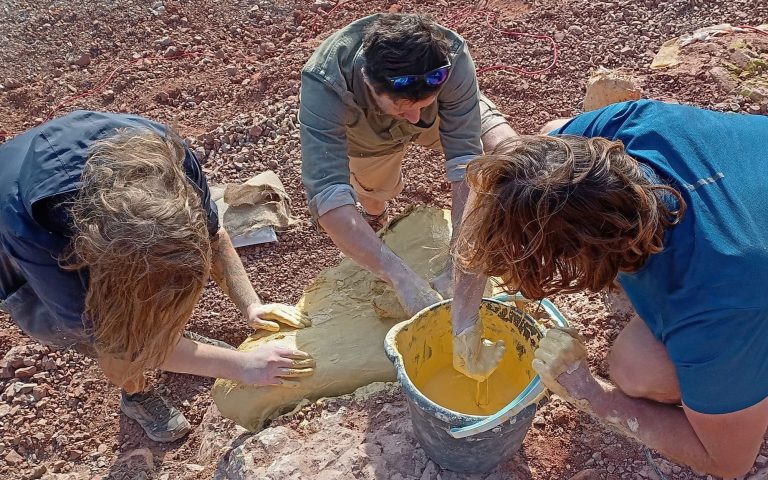
In 2026 the team digs with hand tools and sieves. Big finds are wrapped in plaster, like a cast on a broken arm. A digging machine and a rock saw helped once, in 2025.
Close Up
Every find gets a number and field notes. Open ground is covered again so rain can’t wash it away, and the fossils travel to the laboratory.
Back in the Triassic