Blocks recovered, first site20 to 30
ExcavatorGone for the season
Schools visited2
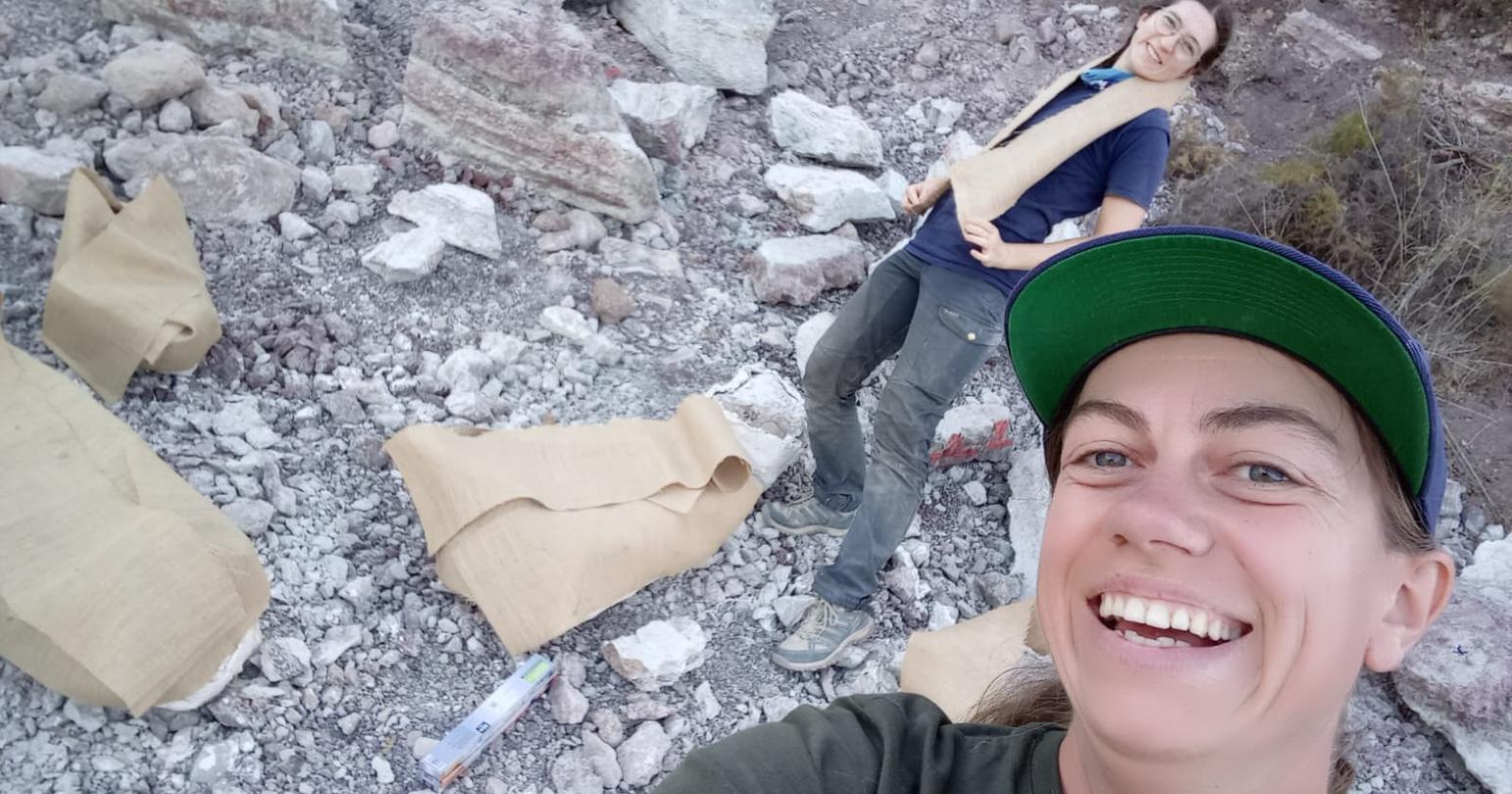
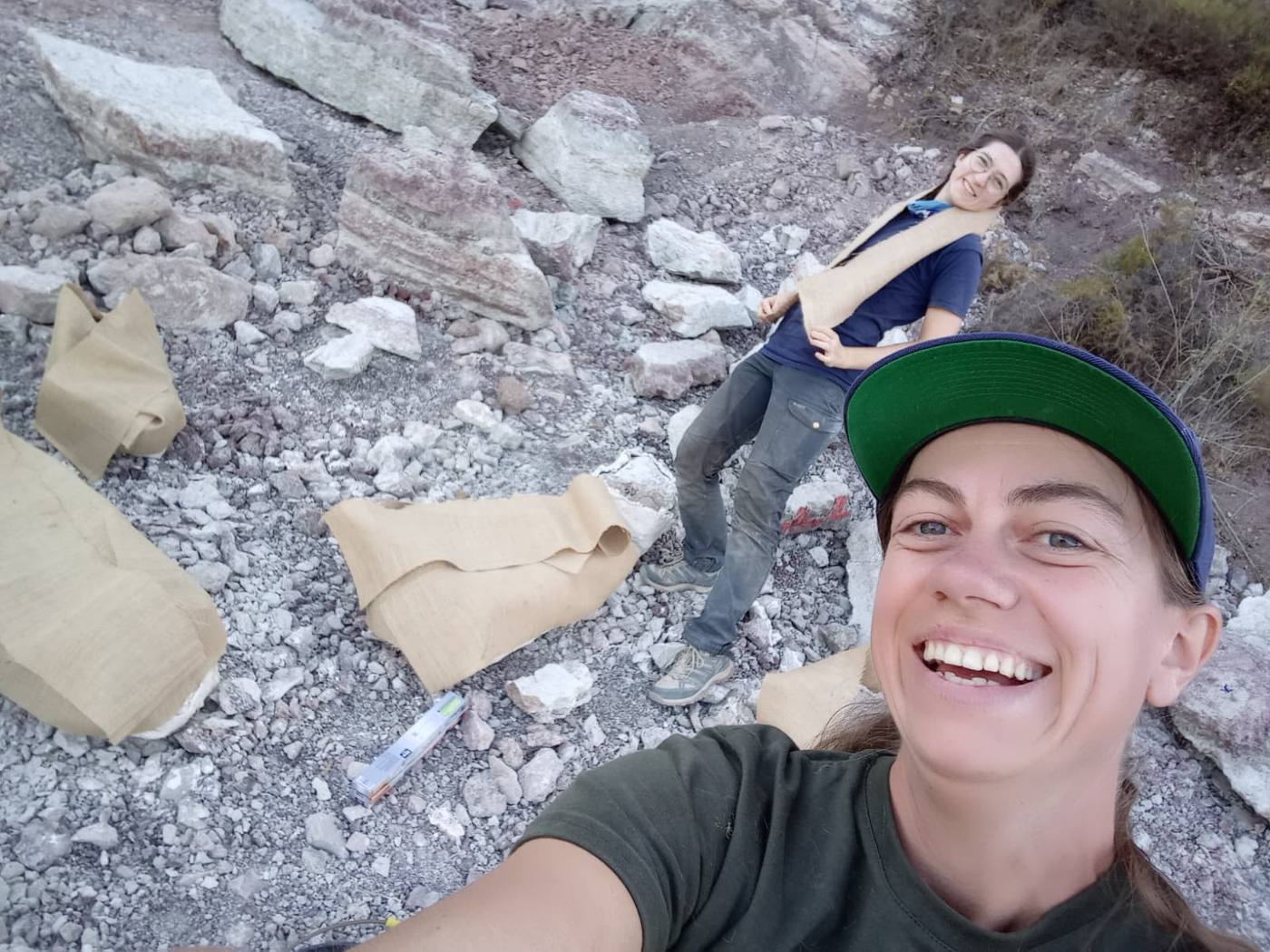
On day 6 the excavator lifted the last blocks out of the first site, up to the one labeled G2. Then its operator said goodbye and drove away for the last time. For 6 days the machine had done the heavy lifting. Now 20 to 30 blocks lie on the hillside, and the team has to decide which ones are worth carrying home.
They sorted them at a team meeting. Some blocks clearly hold something worth taking to the lab, and the rest still have to prove it. A few are packed with bone. Others hold almost nothing.
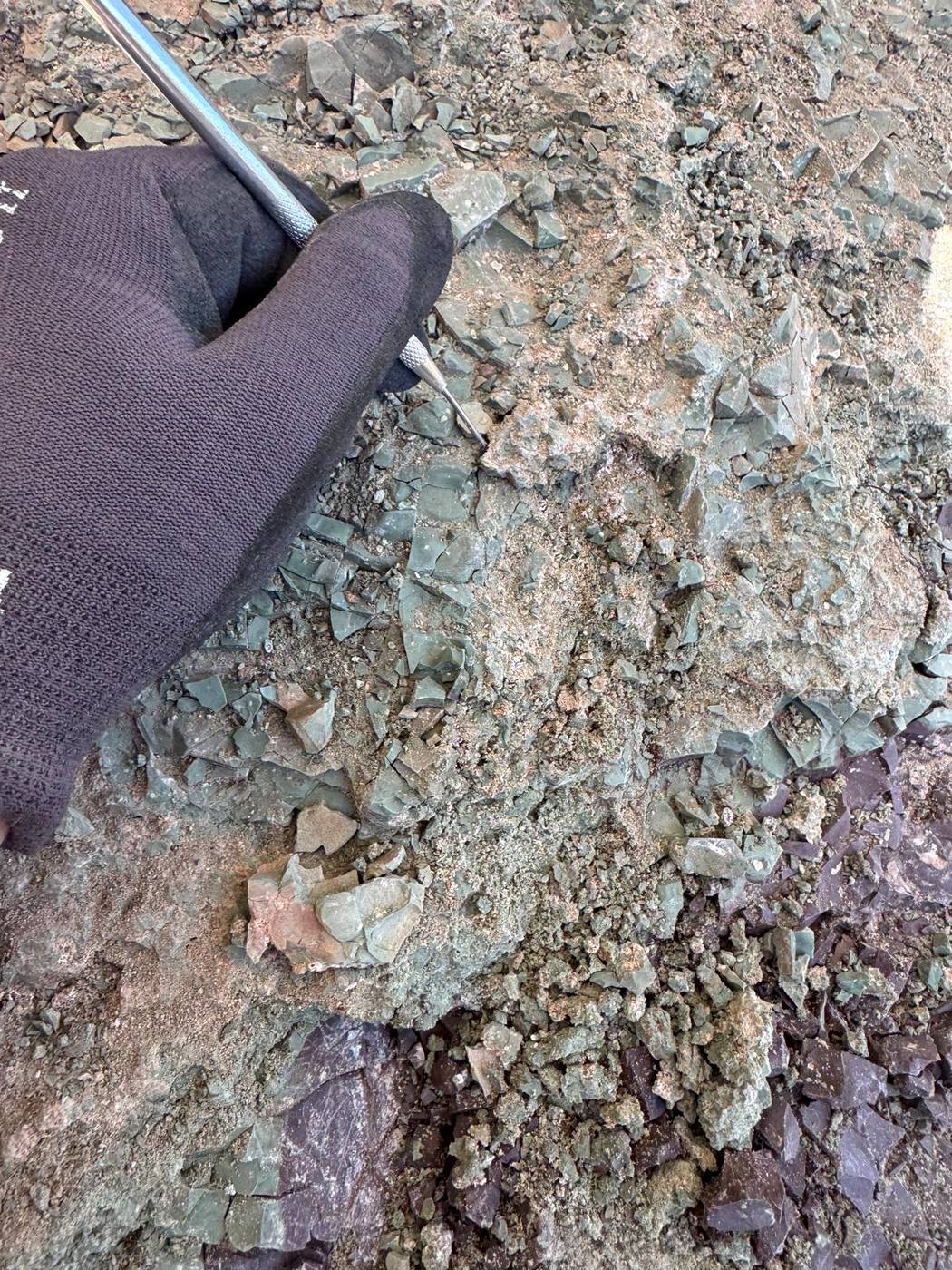
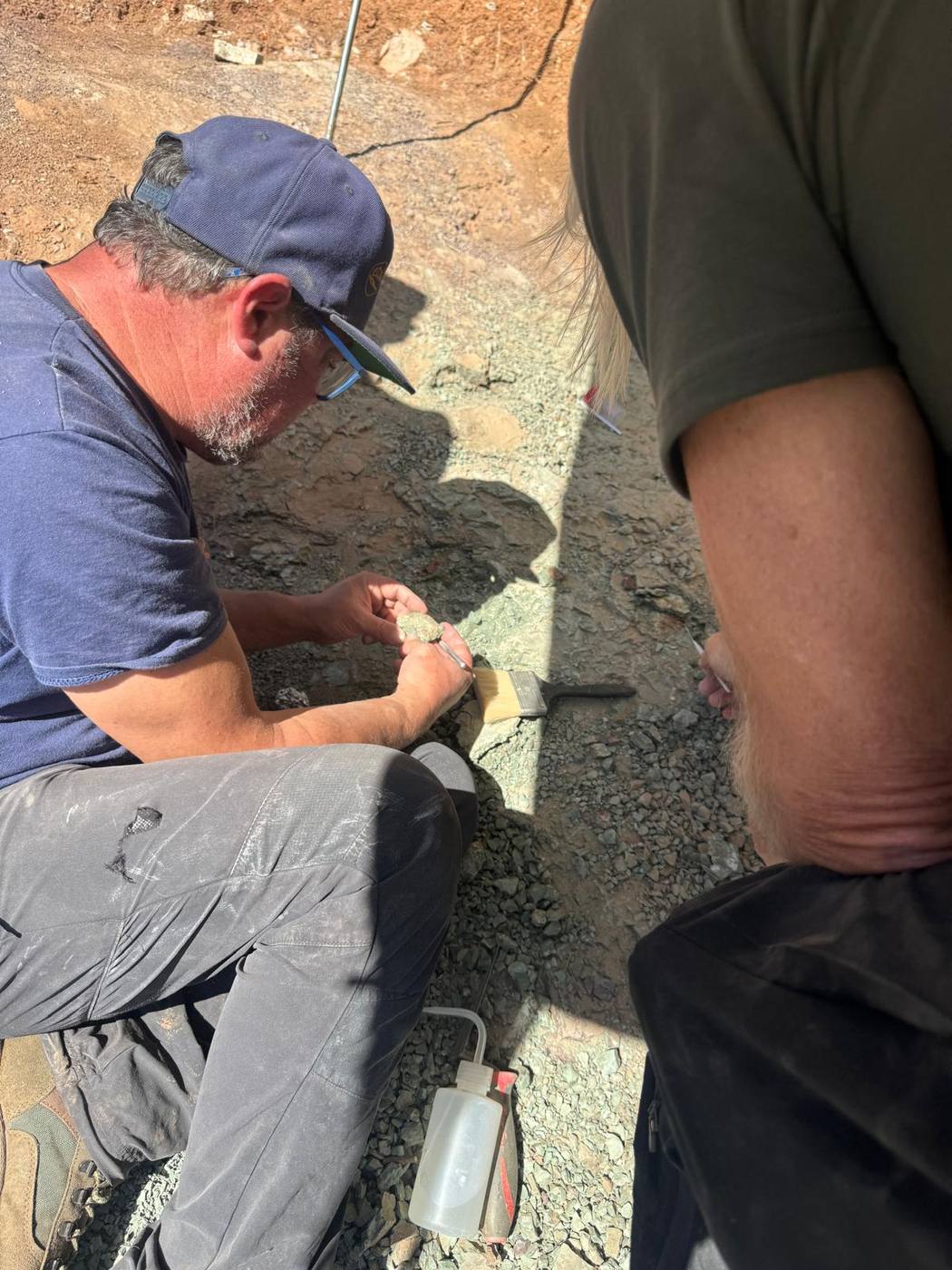
The only way to know is to go in after the bones, first with chisels and hammers and then with dental tools, a few grains at a time. The blocks now give up more than osteoderms. Ricardo Araújo circles the richest ones with his camera, photographing them from every side to build 3D models that may show how the bones came to rest. The smaller blocks are already in plaster and nearly ready for the road.
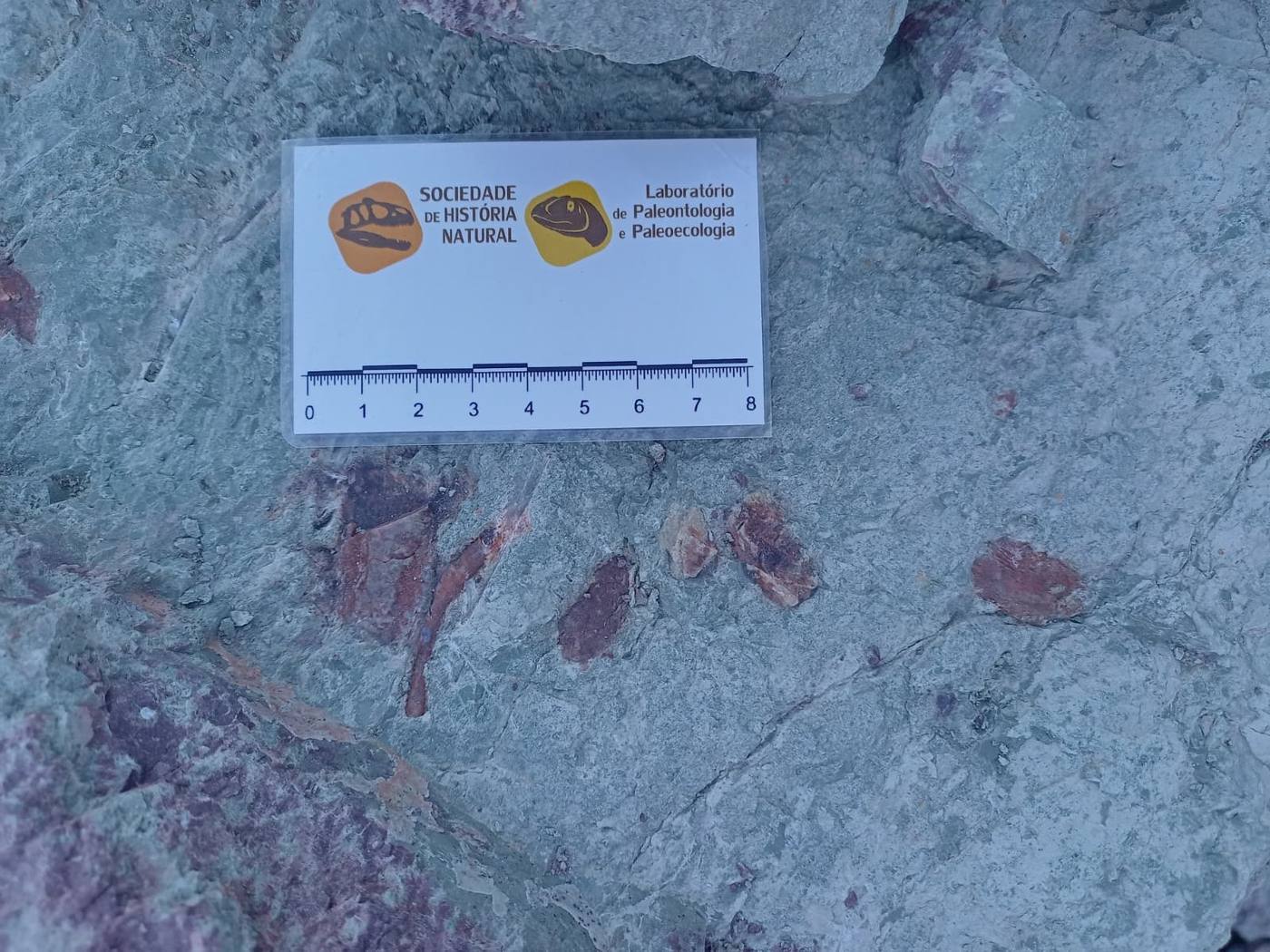
Up at the second site, the fish keep coming. Some are filter feeders and some are predators. So do the bones of marine reptiles: placodonts, and perhaps other kinds too, which would mean more variety here. Some of the new bones may be from limbs. Bruno Camilo found what looks like a humerus, the upper bone of a front limb. Around a big block, the team cut a wide trench to free it.
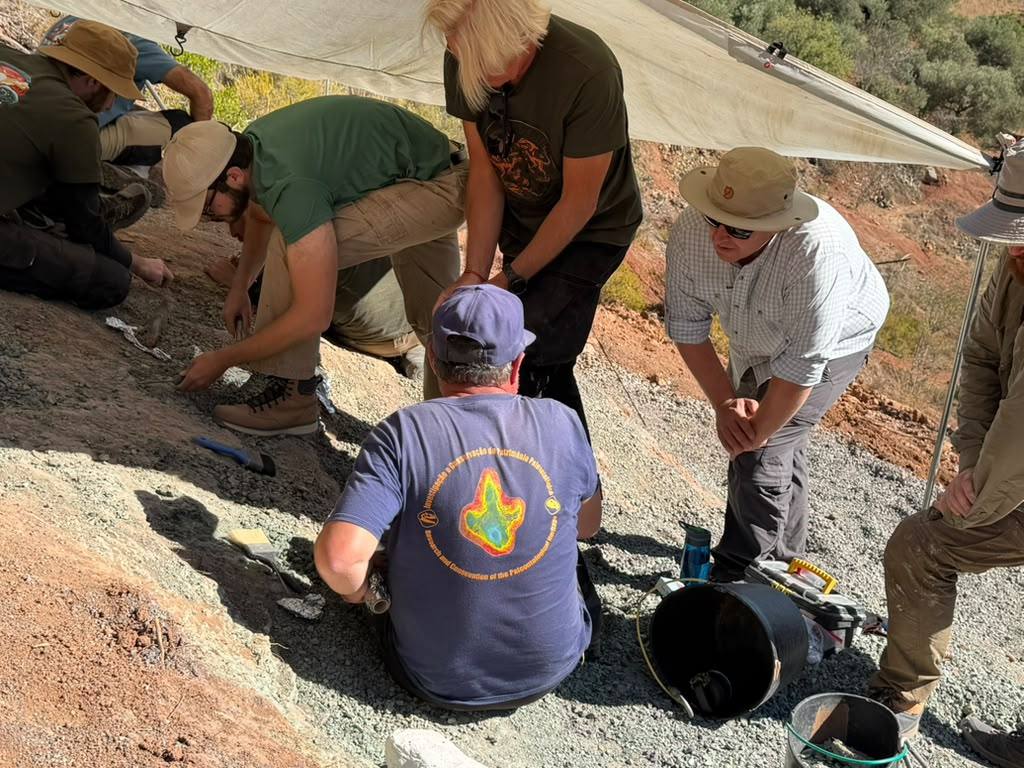
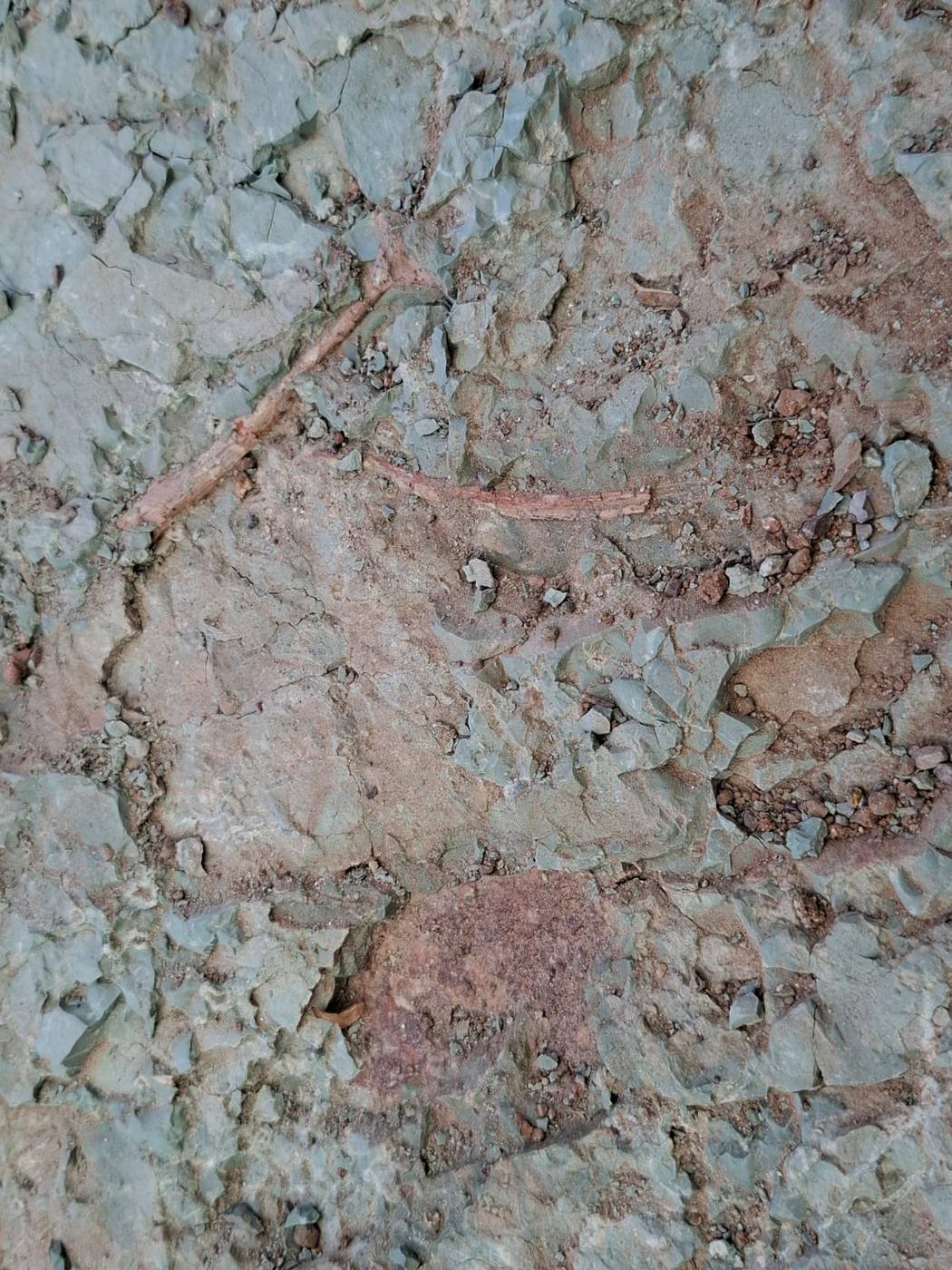
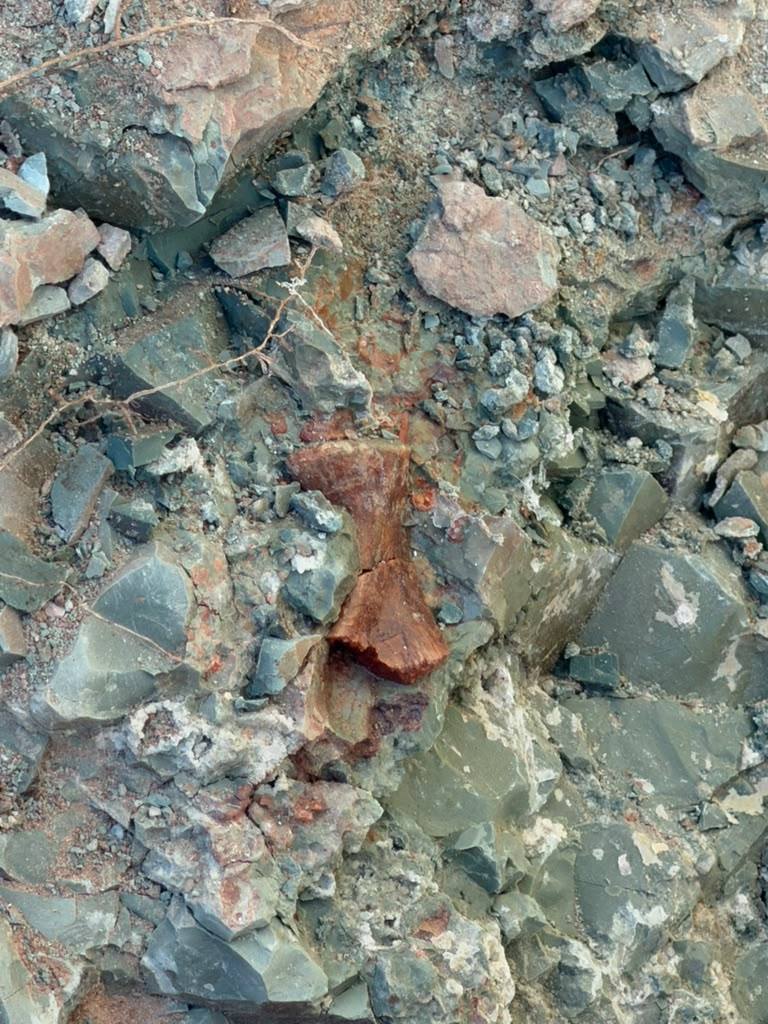
Next comes the delicate part. The team will trench around these bones, wrap them in plaster jackets and carry them out for the lab, and they may lift the big block too. Meanwhile, others on the team keep walking the hills, scouting layers for a future season.
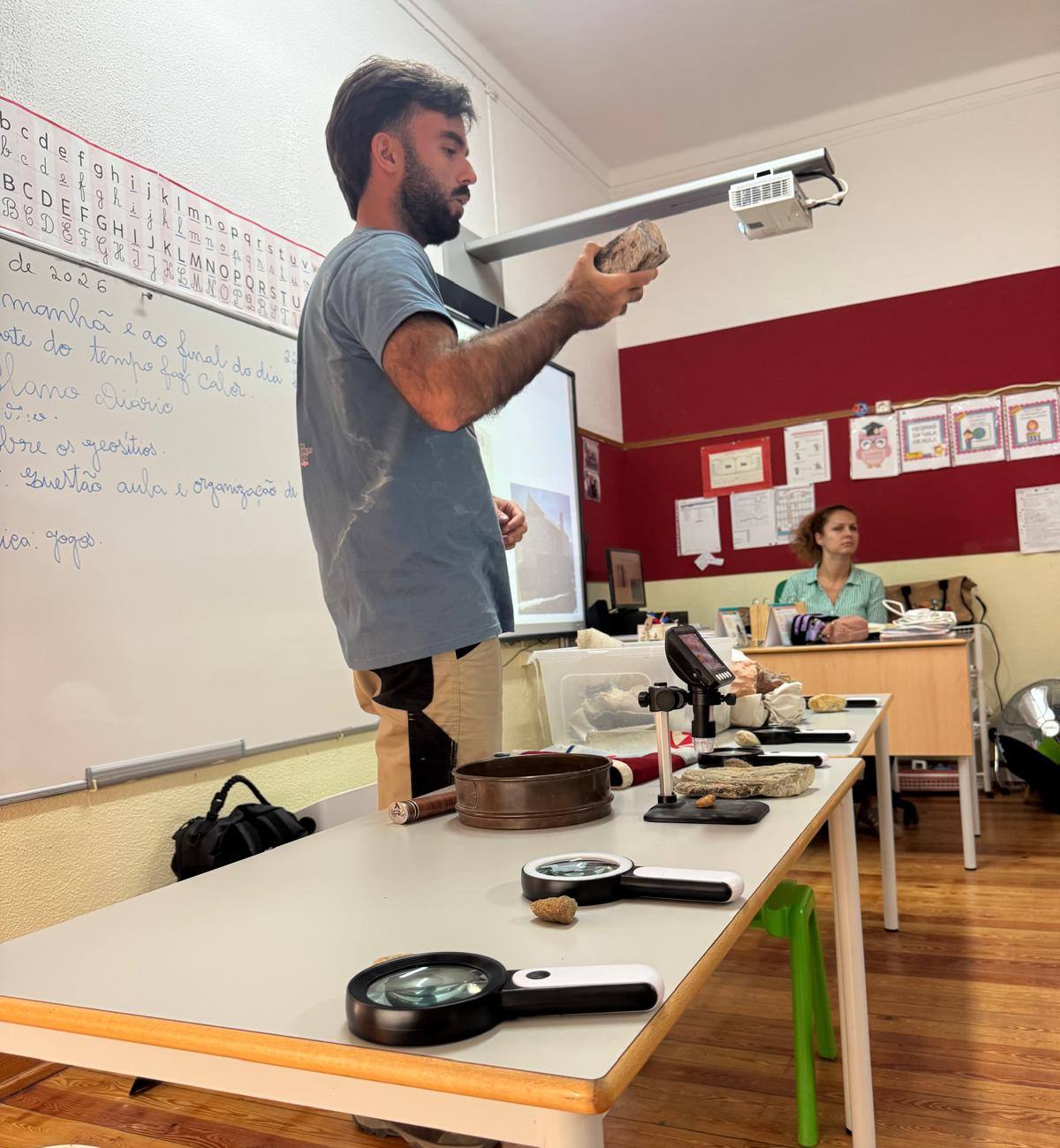
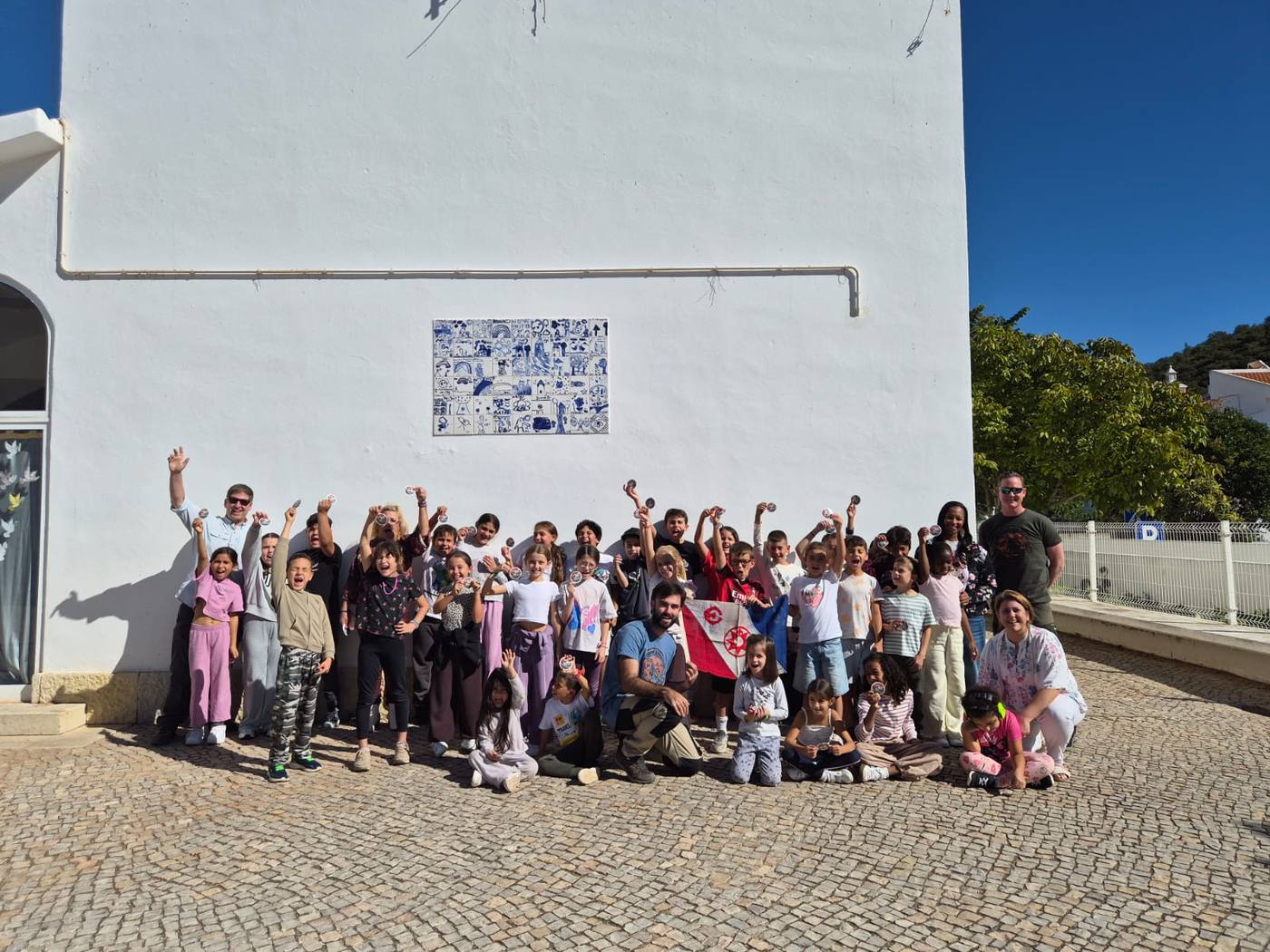
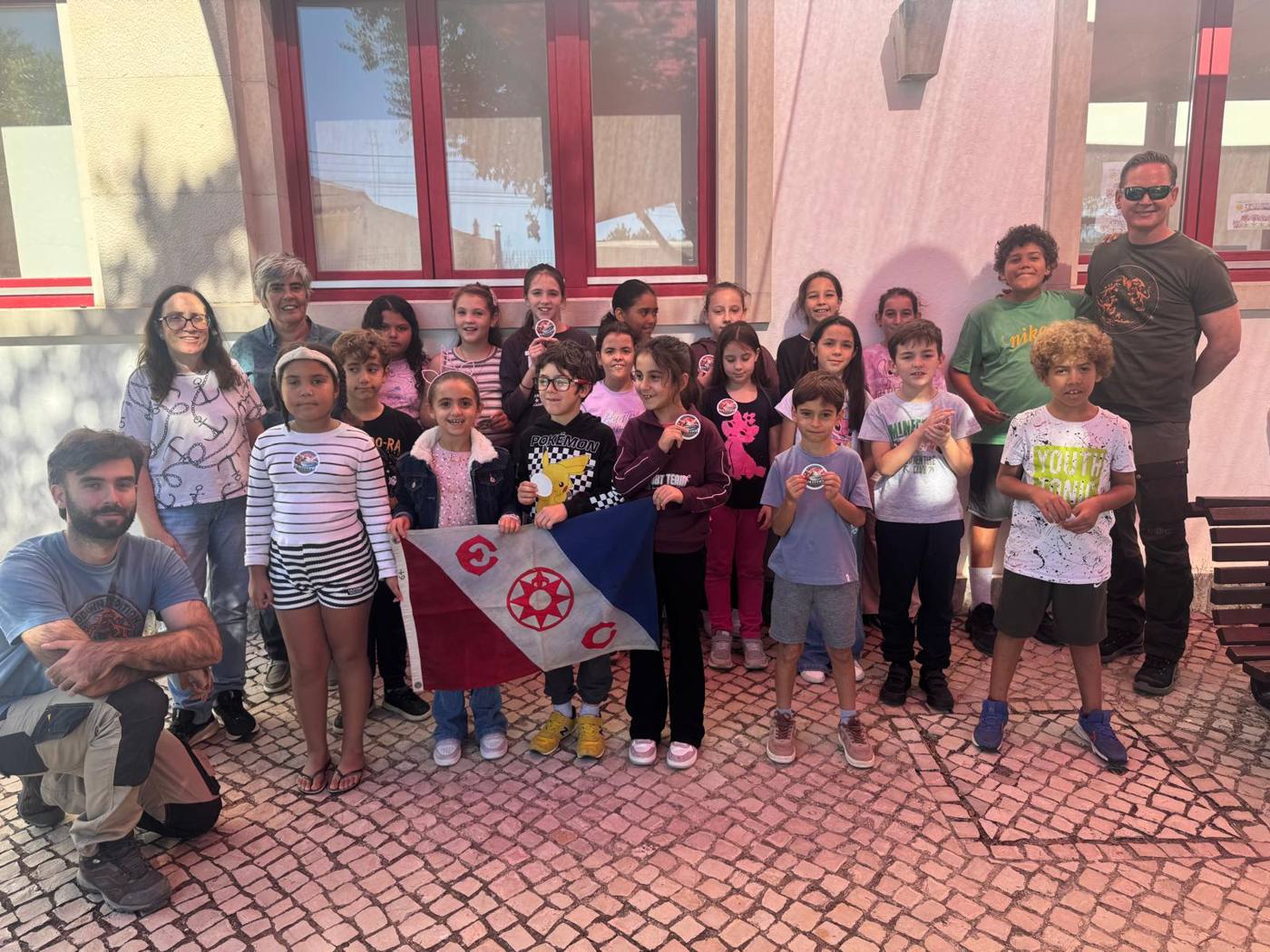
Away from the hills, João Neves, Dave Finnegan and David Isserman took the dig into the classroom at 2 local schools. Students bent over fossils with magnifying glasses and asked about the finds being made in the Algarve and across Portugal.
Tomorrow the bones at the second site go into plaster, and the first site keeps sorting its blocks. The excavator is gone. From here on, the work is chisels, plaster and patience.